
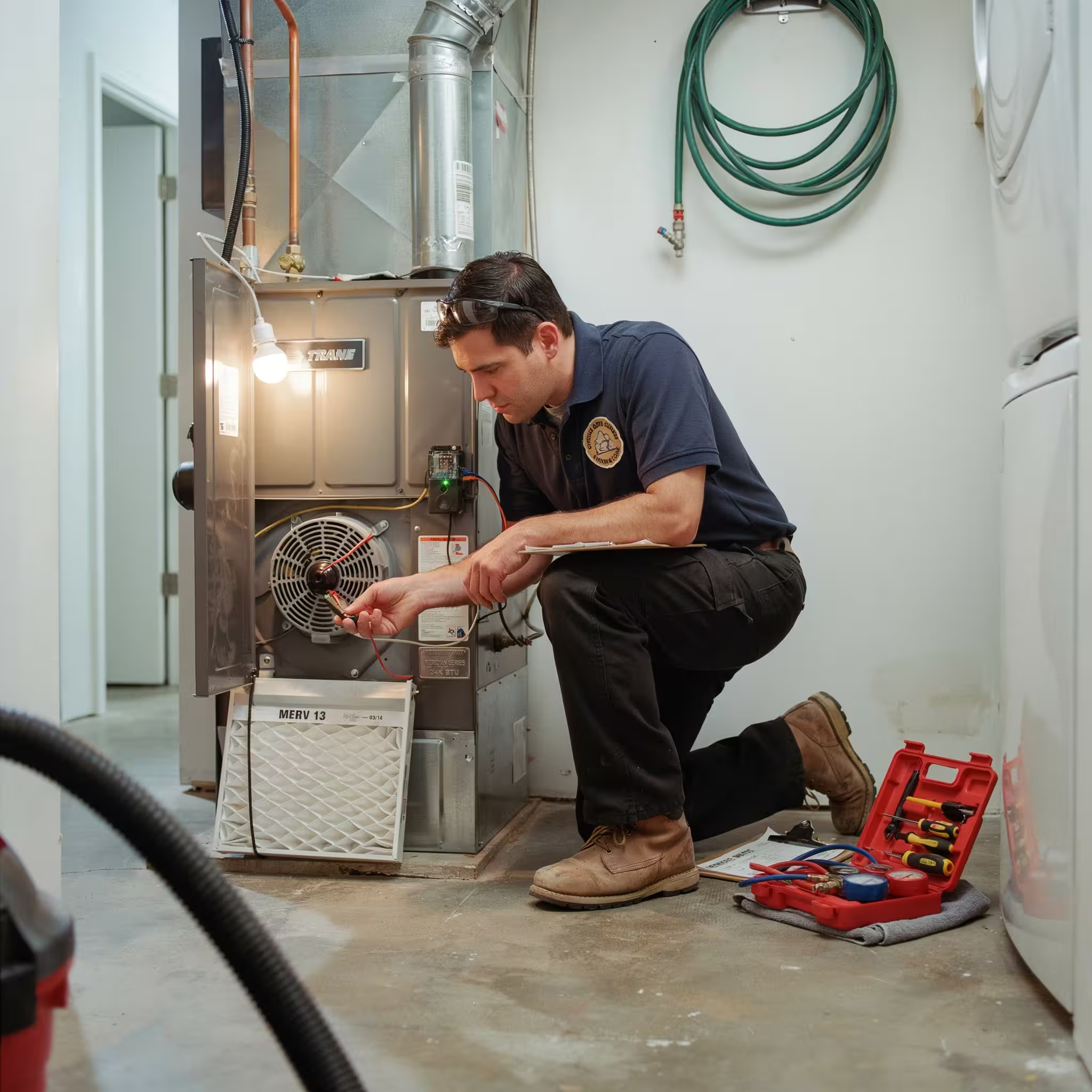
When your furnace stops blowing air, your home can quickly become uncomfortable. You may hear the system running, but little or no air comes through the vents. In some cases, the furnace may not seem to be working at all.
Whatever the situation, this problem can be frustrating, especially during cooler months when you rely on your heating system to stay comfortable.
Many homeowners assume a furnace that is not blowing air needs to be replaced. Fortunately, that is not always the case. In fact, many airflow issues are caused by problems that can be repaired without replacing the entire system.
A dirty air filter, thermostat issue, electrical problem, or worn-out component could be the reason behind the lack of airflow.
For homeowners in San Francisco furnace problems can be even more common due to the city’s older housing stock and ageing HVAC systems. Understanding the possible causes can help you identify problems early and avoid costly repairs.
Let’s take a closer look at the most common reasons a furnace repair may stop blowing air.
Understanding How Your Furnace Delivers Warm Air
Your furnace does more than simply create heat. It also needs to move that heat throughout your home. Once the system generates warm air, a blower motor pushes it through the ductwork and into each room.
The process depends on several components working together. The thermostat tells the furnace when to turn on. The heating element creates warm air.
The blower motor moves that air through the ducts. Finally, vents distribute the warm air throughout the home.
If any part of this process fails, airflow can become weak or stop completely. That is why furnace airflow issues can have several different causes.
- Dirty or Clogged Air Filters
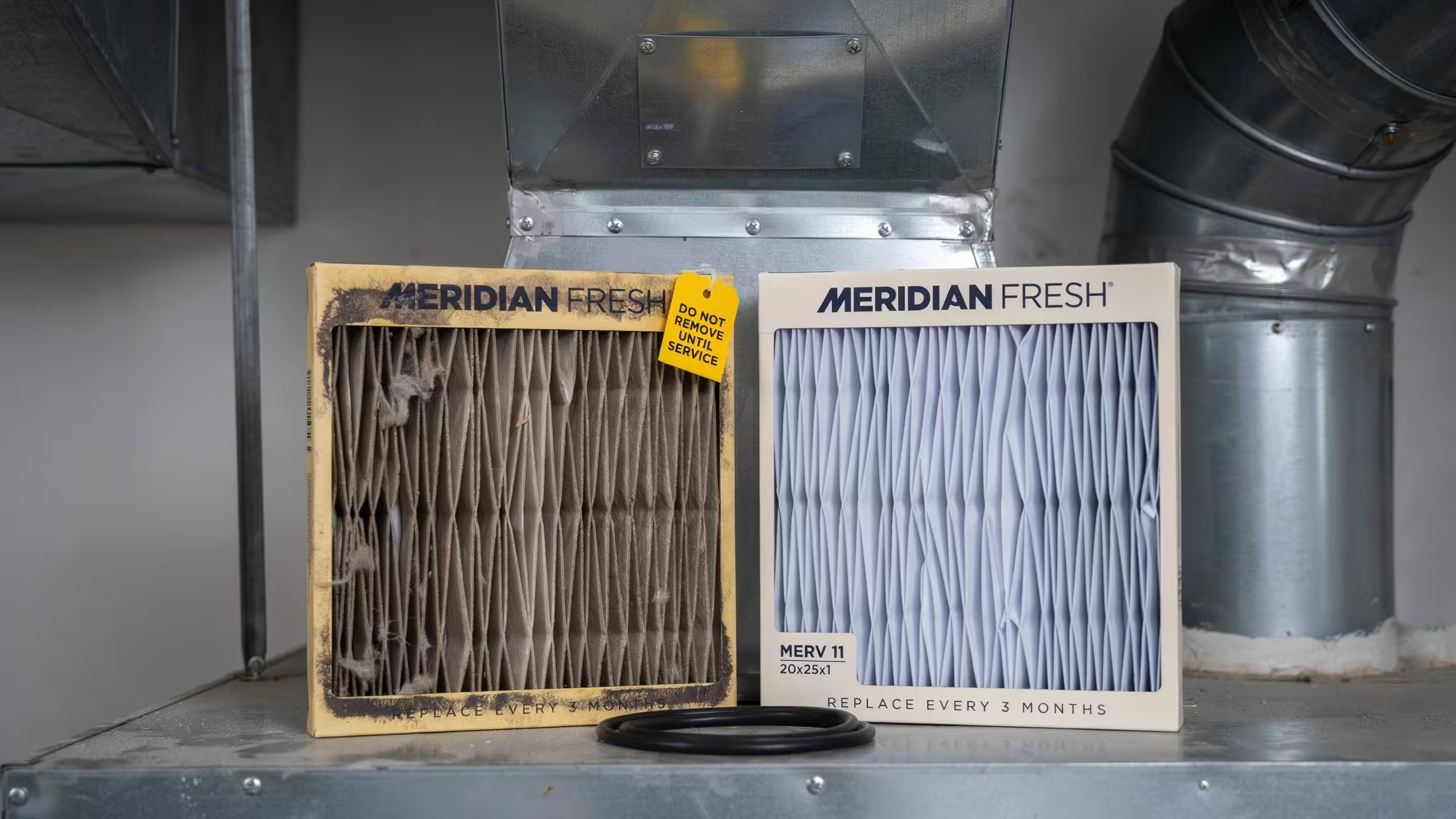
One of the most common reasons a furnace stops blowing air is a dirty air filter.
Air filters are designed to trap dust, dirt, pollen, pet hair, and other particles before they enter your HVAC system. Over time, these particles build up and block the filter.
When the filter becomes clogged, airflow becomes restricted. The blower motor has to work harder to move air through the system. Eventually, the restriction can become severe enough to reduce airflow significantly or trigger safety shutoffs.
Many homeowners overlook this simple maintenance task. Replacing a dirty filter is often one of the easiest and most affordable ways to restore proper airflow.
As a general rule, filters should be inspected every month and replaced regularly according to the manufacturer’s recommendations.
-
Thermostat Malfunctions
Sometimes the problem is not with the furnace itself. Instead, the thermostat may be causing the issue.
The thermostat acts as the control center for your heating system. If it sends incorrect signals or stops communicating with the furnace, the system may not operate properly.
Start by checking the settings. Make sure the thermostat is set to heat mode and that the desired temperature is higher than the current room temperature.
Dead batteries can also create problems in many thermostat models. In some cases, loose wiring or software issues in smart thermostats can prevent the system from functioning correctly.
Because thermostat problems are relatively easy to diagnose, they should be one of the first things homeowners check when airflow problems occur.
-
Blower Motor Problems
The blower motor is responsible for moving warm air throughout your home. If this component fails, your furnace may produce heat but struggle to distribute it.
Like any mechanical part, blower motors experience wear and tear over time. Bearings can wear out, electrical components can fail, and motors can overheat after years of use.
A failing blower motor often gives warning signs before it stops working completely. You may hear unusual noises such as grinding, squealing, or humming. Airflow may become weaker, or the system may cycle on and off unexpectedly.
Because blower motor repairs involve electrical and mechanical components, professional service is usually required to diagnose and correct the problem safely.
-
Blocked or Leaking Air Ducts
Even if your furnace is operating correctly, damaged ductwork can prevent warm air from reaching your living spaces.
Air ducts carry heated air throughout your home. When ducts become blocked by debris or develop leaks, airflow suffers.
Leaking ducts allow heated air to escape into attics, crawl spaces, or wall cavities before it reaches the intended rooms. This reduces comfort and increases energy costs.
This issue is especially common in older San Francisco homes. Over time, duct connections can loosen, seals can deteriorate, and sections of ductwork may become damaged.
If some rooms feel warm while others remain cold, ductwork problems could be the cause.
-
Tripped Circuit Breakers or Electrical Issues
Many people forget that modern furnaces rely heavily on electricity.
The blower motor, control board, thermostat, and various safety systems all require power to function properly. If an electrical issue interrupts power, airflow can stop immediately.
A tripped breaker is often the simplest explanation. Homeowners can safely check their electrical panel and reset a breaker if necessary.
However, if the breaker continues to trip repeatedly, there may be a larger electrical problem that requires professional attention.
Electrical issues should never be ignored. Continued operation with faulty wiring can create safety risks and lead to more extensive repairs.
-
Overheated Furnace and Safety Shutoffs
Modern furnaces include built-in safety mechanisms designed to protect the system from damage.
When a furnace overheats, these safety features can shut down key components to prevent further problems. In many cases, the blower may stop working or the furnace may shut down completely.
Overheating often occurs when airflow becomes restricted. A clogged filter, blocked vents, or a malfunctioning blower motor can all contribute to excessive heat buildup inside the system.
While the safety shutoff protects the furnace, it also signals that another issue needs attention. Simply restarting the system without addressing the underlying cause will likely result in recurring problems.
-
Faulty Limit Switch
The limit switch is a small but important component within your furnace.
Its job is to monitor internal temperatures and prevent overheating. When temperatures exceed safe levels, the limit switch signals the system to shut down or adjust operation.
A faulty limit switch can create several unusual symptoms. The blower may run continuously, cycle on and off unexpectedly, or fail to operate correctly.
Because the limit switch plays an important safety role, replacement should be handled by a qualified HVAC technician.
Ignoring a faulty limit switch can increase wear on your furnace and reduce overall efficiency.
-
Ignition or Pilot Light Problems
A furnace cannot deliver warm air unless it successfully generates heat.
Older furnaces often rely on pilot lights, while newer systems use electronic ignition components. If these systems fail, the furnace may not produce heat even though other components continue running.
Homeowners sometimes notice air moving through the vents, but the air feels cool rather than warm. This often points to an ignition-related issue.
Pilot lights can go out due to drafts, dirt buildup, or component failure. Electronic ignition systems may experience sensor problems or electrical faults.
A professional inspection can identify the exact cause and restore proper heating performance.
-
Frozen or Dirty HVAC Components
Although people often associate frozen components with air conditioning systems, airflow restrictions can affect heating systems as well.
Dust and debris naturally accumulate throughout HVAC systems over time. Dirty coils, clogged components, and restricted airflow can reduce performance and place extra strain on the furnace.
When the system works harder than necessary, efficiency drops and wear increases.
Routine maintenance helps prevent these issues by keeping components clean and operating efficiently. A well-maintained furnace typically experiences fewer airflow problems and operates more reliably throughout the year.
Why Furnace Airflow Problems Are Common in San Francisco Homes
San Francisco homeowners often face unique HVAC challenges.
Older Homes and Aging HVAC Systems
Many homes throughout the city were built decades ago. While these homes offer character and charm, they often contain aging heating systems and older ductwork.
Older equipment naturally experiences more wear over time. Components become less efficient, ductwork develops leaks, and maintenance needs increase.
As a result, airflow problems tend to occur more frequently in older properties.
Coastal Climate Factors
San Francisco’s coastal environment can also affect HVAC performance.
Moisture in the air can contribute to corrosion and wear on certain furnace components. Dust accumulation and indoor air quality concerns may also place additional strain on filters and airflow systems.
Combined with seasonal furnace usage, these factors can increase the likelihood of airflow-related issues.
Troubleshooting Steps Before Calling a Professional
Before scheduling a service appointment, there are a few simple checks homeowners can perform.
- Check Your Thermostat Settings: Verify that the thermostat is set to heat mode and that the temperature setting is correct.
- Inspect and Replace the Air Filter: A dirty filter remains one of the most common causes of restricted airflow. Replacing it may solve the problem immediately.
- Check the Power Supply: Inspect your circuit breaker panel and ensure the furnace is receiving power.
- Make Sure Vents Are Open: Walk through your home and confirm that supply vents and registers are fully open and not blocked by furniture or rugs.
These quick checks can sometimes restore airflow without requiring professional repairs.
When to Call an HVAC Technician
While some issues have simple solutions, others require expert diagnosis.
If your furnace continues experiencing airflow problems after basic troubleshooting, professional service is recommended. Strange noises, burning smells, recurring shutdowns, and electrical issues should always be evaluated by a qualified technician.
Delaying repairs can allow minor problems to become major ones. What starts as a small airflow restriction could eventually damage important furnace components and lead to more expensive repairs.
Professional technicians have the tools and experience needed to identify the root cause quickly and safely.
Preventing Future Furnace Airflow Problems
The best way to avoid furnace airflow issues is through regular maintenance.
Schedule Annual Maintenance: Professional inspections help identify worn components before they fail. Routine tune-ups also improve system efficiency and reliability.
Replace Filters Regularly: Clean filters support healthy airflow and reduce strain on the furnace.
Keep Ductwork in Good Condition: Inspecting and sealing ductwork helps prevent air loss and improves overall comfort.
Paying attention to small changes in system performance can also help catch problems early. Unusual noises, rising energy bills, and reduced airflow often provide early warning signs that maintenance is needed.
Conclusion
A furnace that is not blowing air can be frustrating, but the cause is often easier to fix than many homeowners expect. Problems such as dirty air filters, thermostat malfunctions, blower motor failures, duct leaks, and electrical issues are among the most common reasons airflow stops.
For homeowners in San Francisco, older homes and aging HVAC systems can make these issues even more likely. Fortunately, regular maintenance and timely repairs can prevent many airflow problems before they become serious.
If your furnace is still not blowing air after basic troubleshooting, contacting a trusted HVAC professional is the smartest next step. A proper inspection can identify the source of the problem, restore comfort to your home, and help ensure your heating system continues operating efficiently for years to come.
