

A heat pump is one of those home systems you may not think about every day until it stops working right. Maybe your home is not cooling like it used to.
Maybe the system makes strange noises. Or maybe your energy bill keeps climbing even though you have not changed how you use it.
When that happens, one big question comes up: should you repair your heat pump or replace it?
For California homeowners, this decision matters even more. A heat pump often handles both heating and cooling, which means it works during chilly nights, warm afternoons, and hot summer days. If it breaks down, your comfort can change fast.
The good news is that the answer is not always complicated. In many cases, a simple repair can get your system running again. In other cases, replacing the heat pump may save you more money and stress in the long run.
This guide will help you understand the difference in a simple way, so you can make a smarter choice for your home.
Understanding the Role of Heat Pumps in California Homes
Heat pumps are a popular choice in many California homes because they can heat and cool using one system.
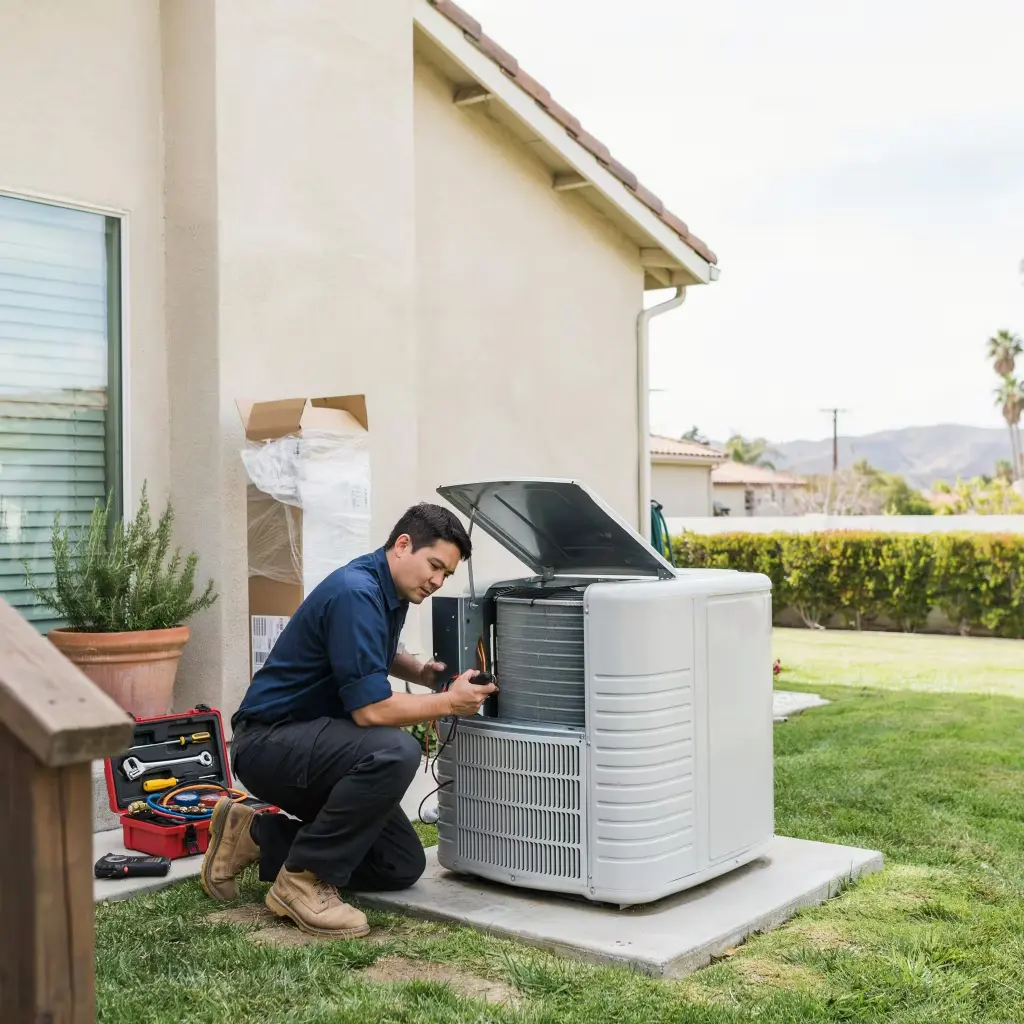
Instead of creating heat like a furnace, a heat pump moves heat from one place to another. In cooler weather, it brings warmth inside. In warmer weather, it moves heat out of your home.That makes it useful in California, where many areas have mild winters and warm summers. A heat pump can keep your home comfortable for most of the year without needing two separate systems
.
Heating and Cooling in One System
One reason a heat pump is so important is that it does two jobs. If it has a problem, you may lose heating and cooling comfort at the same time.
For example, if your heat pump stops working in spring, you may not worry too much at first. But when a hot California afternoon arrives, that small problem can quickly become a big one. That is why it is smart to deal with heat pump issues early.
Why California Climate Makes the Decision Different
California has many different climates. A home near the coast may only need light heating and cooling. A home in Fresno, Sacramento, Riverside, or Palm Springs may depend
heavily on cooling during long, hot months.
This matters because a heat pump that works hard all year may wear out faster. If your system runs often, energy efficiency and reliability become very important.
A weak or aging heat pump may still turn on, but it may cos
t more to operate and still fail to keep your home comfortable.
When Heat Pump Repair Makes the Most Sense
Repair is often the right choice when the system is still in good shape and the problem is small. Not every heat pump issue means you need a new unit. Sometimes, one part needs to be fixed or replaced.
Your Heat Pump Is Still Relatively New
If your heat pump is less than 10 years old, repair may make more sense. A newer system usually has many useful years left, especially if it was installed correctly and maintained well.
Think of it like a car with a flat tire. You would not replace the whole car because one tire needs attention. In the same way, a newer heat pump with one small issue may only need a repair.
The Repair Is Minor or Affordable
Many heat pump problems are simple. A faulty thermostat, dirty filter, loose wire, bad capacitor, or small electrical issue can often be repaired without replacing the whole system.
If the repair cost is low and the system usually works well, fixing it is often the practical choice. You get your comfort back without spending money on a full replacement.
The System Has Been Well Maintained
A heat pump that receives regular maintenance can last longer and work better. If you change filters, keep the outdoor unit clean, and schedule routine service, your system may still be worth repairing.
Good maintenance helps prevent small problems from becoming expensive ones. So, if your system has a strong service history, do not rush into replacing it before a technician checks it
Energy Bills Have Not Increased Significantly
Your energy bill can tell you a lot. If your bills have stayed mostly the same and your home still feels comfortable, your heat pump may still be running efficiently.
In that case, a repair may be enough. But if your bills keep rising and the system is struggling, replacement may be worth a closer look.
When Heat Pump Replacement Is the Better Investment
Sometimes, repair only solves the problem for a short time. If the system is old, inefficient, or breaking down again and again, replacement may be the smarter long-term move.
Your Heat Pump Is Over 10–15 Years Old
Most heat pumps do not last forever. Once a system reaches 10 to 15 years old, it may start losing efficiency. It may still run, but it may need more energy to do the same job.
Older systems also tend to need more repairs. Parts may wear out, performance may drop, and comfort may become harder to control.
If your heat pump is already in this age range, replacement may make more sense than putting more money into repairs.
Repairs Are Becoming More Frequent
One repair may not be a big deal. But if you call an HVAC technician every season, your system may be warning you that it is near the end of its life.
Frequent repairs can become frustrating and expensive. You may fix one part, then another part fails a few months later. At some point, you are no longer saving money. You are just delaying the need for a new system.
The Repair Cost Is Too High
Some repairs cost much more than others. Compressor problems, major refrigerant leaks, motor failures, and control board issues can be expensive.
If one repair costs a large part of what a new system would cost, replacement may be a better investment. Instead of spending a lot on an old unit, you can put that money toward a newer, more efficient system.
Your System Struggles to Heat or Cool Evenly
A heat pump should keep your home comfortable. If some rooms feel too hot while others feel too cold, something is wrong.
Uneven temperatures, weak airflow, short cycling, and constant running can all point to a system that is losing performance.
Sometimes the issue can be repaired. But if these problems keep coming back, the system may no longer be the right fit for your home.
Repair Cost vs Replacement Cost: How to Compare Your Options
The cheapest option today is not always the cheapest option over time. That is the main thing homeowners should remember.
A repair may cost less right now. But if the system breaks again soon or uses too much energy, it may cost more later. Replacement costs more upfront, but it may give you better comfort, lower energy use, and fewer repair bills.
The 50% Rule for HVAC Decisions
A common guideline is the 50% rule. If the repair costs close to 50% of the price of a new system, replacement may be the better choice.
For example, if a new heat pump costs several thousand dollars and your repair is already a major expense, it may not make sense to spend that much on an old system.
This is not a perfect rule, but it helps you think clearly.
The Age × Repair Cost Guideline
Another simple method is to multiply the age of your heat pump by the repair cost.
For example:
A 12-year-old heat pump with a $700 repair equals 8,400.
When that number is high, replacement may be worth considering. This does not mean you must replace the system, but it is a helpful warning sign.
Short-Term Savings vs Long-Term Value
Repair is often about saving money today, and replacement is often about saving money over time.
If you plan to move soon, a repair may be enough. But if you plan to stay in your home for years, replacement may give you more value.
A new heat pump can improve comfort, reduce breakdowns, and help your home feel better during California’s warmer months.
California-Specific Factors That Can Influence Your Decision
California homeowners have a few extra things to think about before choosing repair or replacement. The climate, energy costs, and home efficiency goals can all affect the decision.
Energy Costs in California
Energy bills can be a big concern in California. If your heat pump is old or inefficient, it may use more electricity than needed. That can make monthly bills higher, especially during hot months when the system runs often.
A newer, high-efficiency heat pump may use energy more wisely. That does not mean every homeowner needs a replacement, but it does mean efficiency should be part of the conversation.
Local Climate and Usage Patterns
A heat pump in San Diego may not work the same way as one in Sacramento or Riverside. Coastal homes may have milder weather. Inland homes may face hotter summers and colder winter nights.
If your system works hard for much of the year, reliability matters. A weak heat pump may not be able to keep up when temperatures rise. In hotter areas, replacing an aging system before peak summer can help avoid a stressful breakdown.
Rebates and Energy-Efficient Upgrade Programs
California homeowners may have access to rebates or energy-efficiency programs when upgrading to certain heat pump systems. These programs can change based on location, income, utility provider, and available funding.
Before replacing your heat pump, it is a good idea to ask your HVAC contractor about current rebates. A rebate may reduce the total cost and make replacement more affordable.
California’s Move Toward Energy-Efficient Homes
Many California homeowners are looking for cleaner and more efficient ways to heat and cool their homes. Heat pumps fit well into that trend because they can offer both comfort and efficiency.
If you are already planning other home upgrades, such as insulation, solar, or better windows, a new heat pump may be part of a bigger plan to make your home more efficient.
Signs Your Heat Pump Only Needs a Repair
Some heat pump problems look serious but are actually simple to fix. That is why you should not panic the moment your system acts strange.
Your heat pump may only need a repair if the issue is caused by a dirty filter, thermostat problem, loose part, clogged drain, small electrical fault, or minor airflow issue.
For example, if your system is blowing weak air, the problem may be a dirty filter or blocked vent. If the system will not turn on, the thermostat or electrical connection may be the cause.
Other repairable problems can include strange noises, frozen coils, short cycling, or uneven airflow. A trained technician can inspect the system and tell you whether the problem is minor or more serious.
If the system is newer and has worked well until now, repair is usually the first option to consider.
Signs It May Be Time to Replace Your Heat Pump
Replacement becomes more likely when the system has several warning signs at the same time.
If your heat pump is more than 10 to 15 years old, breaks down often, and struggles to keep your home comfortable, repair may not be enough. Rising energy bills are another sign that the system is working harder than it should.
You should also think about replacement if the compressor fails, major parts are expensive, or the system runs almost nonstop. A heat pump that never seems to rest may be too old, too small, too large, or too worn out for your home’s needs.
Poor humidity control can also be a clue. If your home feels sticky, stuffy, or uncomfortable even when the system is running, performance may be dropping.
One warning sign alone does not always mean replacement. But several signs together usually mean it is time to compare your options.
How a Professional HVAC Inspection Helps You Decide
You do not have to guess. A professional HVAC inspection can give you a clear answer.
A technician can check the system’s age, condition, airflow, refrigerant level, electrical parts, thermostat, ductwork, and overall performance. They can also explain what the repair will cost and how long the system may continue to last.
This is important because two homes can have the same problem but need different solutions. A refrigerant issue in a newer system may be worth repairing. The same issue in an old system with other problems may point toward replacement.
A good HVAC technician should help you compare both options clearly. They should not pressure you. They should explain the facts so you can make the right choice for your home and budget.
Conclusion
If your system is fairly new and the problem is small, repair is usually the smart choice. It can restore comfort quickly and help you avoid the cost of a full replacement.
But if your heat pump is old, unreliable, inefficient, or expensive to fix, replacement may be the better long-term decision. This is especially true in California, where many homeowners rely on their heat pump for both cooling and heating throughout the year.
The best choice depends on your system’s age, repair cost, energy use, and comfort level. When in doubt, schedule a professional inspection. A clear diagnosis can help you avoid wasting money and choose the option that truly makes sense.
Your heat pump should make your home feel comfortable, not stressful. Whether the answer is repair or replacement, the goal is the same a reliable system, better comfort, and fewer surprises when the weather changes.
