
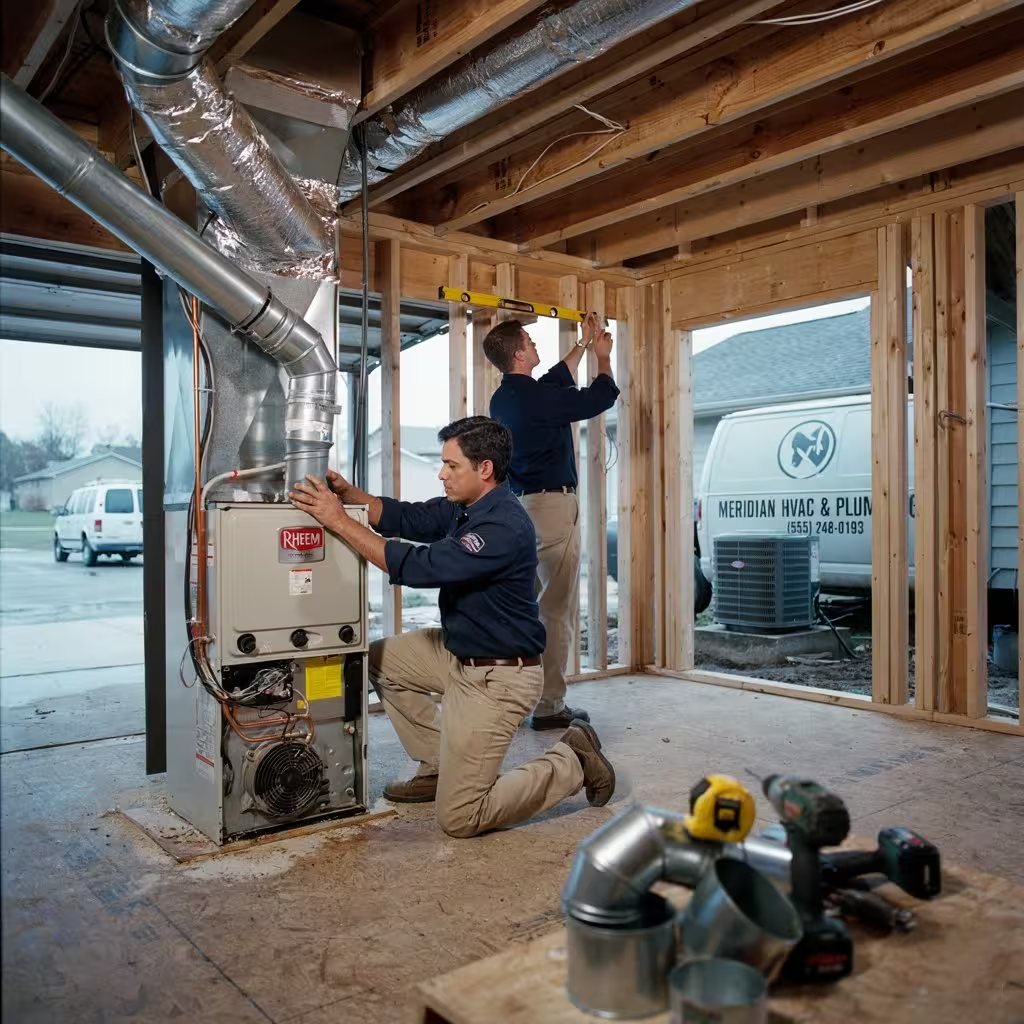
Building a new home is exciting, but it also comes with hundreds of decisions. One of the biggest is knowing when to install the HVAC system.
Get the timing wrong, and you could face expensive delays, damaged equipment, failed inspections, or poor system performance for years to come.
Get it right, and your heating and cooling system will work efficiently from day one.
Many homeowners think HVAC installation happens in one visit. It doesn’t. A new construction HVAC system is installed in several stages that match the building process. Each phase depends on the one before it, which is why good planning is so important.
This guide explains exactly when to install HVAC during a new construction project in 2026, what happens during each stage, common mistakes to avoid, and how proper timing helps you save money while improving comfort and energy efficiency.
Understanding the HVAC Installation Timeline in New Construction
A new HVAC system is not something contractors simply drop into a finished house. It becomes part of the home’s structure long before the walls are closed. Every stage must happen at the right time to avoid costly rework.
Why HVAC Cannot Be Installed All at Once
An HVAC system includes much more than a furnace or air conditioner. It also includes ductwork, refrigerant lines, electrical wiring, ventilation, drainage, thermostats, and outdoor equipment. These parts are installed at different times because the house itself is built in stages.
Trying to install everything at once simply isn’t possible. Some components would be exposed to damage, while others couldn’t even fit after the walls are finished.
How HVAC Fits Into the Overall Construction Process
The HVAC contractor works alongside electricians, plumbers, framers, insulation crews, drywall installers, and finish contractors. Each trade depends on the others to complete their work in the correct order.
For example, ductwork usually goes in after framing but before insulation. The air conditioning unit often waits until heavy construction is finished to prevent accidental damage.
Key Trades That Must Coordinate With HVAC Contractors
Good communication between contractors keeps the project moving. HVAC teams regularly coordinate with:
- Framers
- Electricians
- Plumbers
- Insulation installers
- Drywall contractors
- Building inspectors
When everyone follows the construction schedule, the project stays on time and avoids unnecessary repairs.
The Best Time to Install HVAC During a New Construction Project
Instead of thinking about one installation day, think about these four important phases.
Phase 1: Planning and HVAC System Design
Everything begins before construction is well underway. This planning stage determines how comfortable and efficient the home will be for years.
Contractors perform Manual J load calculations to determine the home’s heating and cooling needs. They consider the home’s size, insulation, window placement, ceiling height, climate, and even sunlight exposure.
Next, they choose the right HVAC equipment and design the duct layout. This ensures every room receives proper airflow without wasting energy.
Taking shortcuts during this stage often leads to oversized or undersized systems that struggle to keep the home comfortable.
Phase 2: Rough-In HVAC Installation (Before Insulation and Drywall)
Once framing is complete, the rough-in stage begins. This is the most important part of HVAC installation.
Contractors install:
- Ductwork
- Refrigerant lines
- Drain lines
- Vent pipes
- Equipment supports
- Electrical connections required for HVAC components
This work must happen before insulation and drywall cover the walls and ceilings. Once the walls are closed, making changes becomes expensive and time-consuming.
A properly completed rough-in also gives inspectors a chance to verify everything meets local building codes before construction moves forward.
Phase 3: Installing Indoor and Outdoor HVAC Equipment
The large HVAC equipment is usually installed after drywall, painting, and other dusty construction activities are mostly complete.
This includes installing the furnace, air handler, heat pump, or indoor coil. The outdoor condenser or heat pump is typically placed once heavy equipment has finished moving around the property.
Waiting until this stage protects expensive HVAC equipment from dents, dust, moisture, and accidental damage.
Phase 4: Final HVAC Installation and System Startup
Near the end of construction, technicians complete the final installation.
They install supply vents, return grilles, thermostats, filters, and finish all electrical connections. After that, they test the entire system to ensure it performs correctly.
The final startup includes checking refrigerant levels, measuring airflow, balancing temperatures throughout the home, and confirming everything operates safely.
Only after successful testing is the HVAC system considered ready for everyday use.
Recommended HVAC Installation Timeline by Construction Stage
Following the right construction sequence makes the entire project smoother.
| Construction Stage | HVAC Work Completed |
|---|---|
| Architectural Planning | Load calculations, equipment selection, duct design |
| Framing Complete | Ductwork, refrigerant lines, drain lines, rough-in installation |
| Before Insulation | Inspection, duct sealing, code verification |
| After Drywall & Painting | Furnace, air handler, condenser, heat pump installation |
| Before Occupancy | Final testing, balancing, thermostat setup, commissioning |
This timeline helps contractors avoid conflicts while ensuring every part of the HVAC system is protected throughout construction.
Factors That Can Affect HVAC Installation Timing
Every new construction project is different, so the HVAC installation schedule can change depending on several factors. Weather is one of the biggest influences. Heavy rain, snow, or freezing temperatures can delay framing and roofing, which pushes back the HVAC installation timeline.
Material availability also matters. While supply chains have improved, some high-efficiency HVAC systems, heat pumps, or custom equipment may still have longer lead times, making early ordering important.
Local building codes and inspections also play a major role. Most jurisdictions require inspections after the HVAC rough-in is complete and before insulation or drywall can be installed.
Missing an inspection can delay multiple trades. In addition, construction schedules rarely go exactly as planned. If electricians, plumbers, or framers fall behind, HVAC contractors may have to wait until those trades finish their work.
Finally, the type of HVAC system being installed affects the schedule. A standard split system is generally quicker to install than a geothermal system, radiant heating, or a ductless mini-split setup, which often require additional planning and specialized work.
Common Mistakes to Avoid When Installing HVAC in New Construction
One of the biggest mistakes is installing expensive HVAC equipment too early. During active construction, dust, moisture, paint, and heavy equipment can easily damage the furnace, air handler, or outdoor condenser. It’s much safer to install these components after the messy phases of construction are complete.
Another common mistake is skipping proper HVAC design. Some builders still rely on rough estimates instead of performing professional load calculations, which can result in oversized or undersized systems that waste energy and struggle to maintain comfortable temperatures.
Poorly designed or unsealed ductwork creates airflow problems that lead to uneven heating and cooling throughout the home. Homeowners should also avoid overlooking ventilation requirements, since fresh air circulation is essential for healthy indoor air quality.
Finally, never skip the final system testing and commissioning process. Thorough testing ensures every component operates correctly before the family moves into the home.
How Builders and Homeowners Can Prepare for a Smooth HVAC Installation
Successful HVAC installation starts with good planning. Builders should involve the HVAC contractor during the design phase so ductwork, equipment locations, and ventilation plans can be coordinated with the home’s layout before construction begins.
Finalizing floor plans early also helps prevent costly changes after rough-in work has already been completed.
Throughout construction, scheduling inspections on time keeps the project moving without unnecessary delays. Installed ductwork and equipment should also be protected from dust and construction debris to prevent contamination before the system is turned on.
It’s equally important to leave enough space around furnaces, air handlers, and other components so technicians can easily perform future maintenance and repairs. Taking these simple steps during construction can prevent expensive problems once the home is occupied.
Why Proper HVAC Timing Improves Long-Term Performance
Installing the HVAC system at the right stage of construction has long-term benefits that homeowners notice every day.
Proper installation improves energy efficiency by reducing air leaks, optimizing airflow, and allowing the equipment to operate as designed.
This often leads to lower monthly utility bills and more consistent indoor temperatures throughout the home.
Correct timing also helps extend the lifespan of HVAC equipment. Components that are protected from construction damage and installed under the right conditions experience less wear and typically require fewer repairs over time.
In addition, a properly planned installation makes future maintenance much easier because technicians can access filters, electrical panels, and mechanical components without unnecessary obstacles.
The result is a heating and cooling system that delivers better comfort, lower operating costs, and reliable performance for many years.
Should You Install Smart HVAC Features During New Construction?
New construction is the perfect opportunity to add smart technology because wiring and installation are much easier before the home is finished.
Smart thermostats automatically adjust temperatures based on your schedule, reducing energy use without sacrificing comfort.
Zoned HVAC systems allow different areas of the home to have separate temperature settings. This improves comfort while reducing wasted energy.
Whole-home air purification systems help remove dust, allergens, and airborne particles, making indoor air cleaner for families.
Energy Recovery Ventilators (ERVs) improve ventilation while reducing energy loss. They bring in fresh outdoor air without making the HVAC system work much harder.
Planning for future smart home integration also makes it easier to upgrade your home later without major remodeling.
HVAC Installation Checklist for New Construction
Before moving into your new home, confirm these important steps have been completed:
- Manual J load calculation finished
- Proper HVAC equipment selected
- Ductwork installed and sealed
- Refrigerant, drain, and vent lines installed
- Equipment protected during construction
- Thermostat installed
- Registers and return vents installed
- Airflow tested and balanced
- Refrigerant charge verified
- Final inspection and commissioning completed
A complete checklist helps ensure your HVAC system is truly ready for years of reliable performance.
Conclusion
Installing HVAC at the right time isn’t just another item on the construction checklist, it’s one of the smartest decisions you can make during a new home build.
Every phase, from system design and rough-in installation to equipment placement and final commissioning, plays a direct role in how well your heating and cooling system performs for years to come.
Rushing the process or skipping important steps almost always leads to higher energy bills, uncomfortable rooms, and expensive repairs down the road.
Instead, follow the recommended installation timeline, work with experienced HVAC professionals, and make sure every inspection and test is completed before moving in.
A properly timed HVAC installation delivers better comfort, cleaner indoor air, lower operating costs, and a system built to last. That’s exactly what every new construction project deserves.
