
Build a house in the wrong order, and you pay for it twice. HVAC is one of the first places where it happens. Install it too early, and the crews damage it.
Install it too late, and you stall drywall, finishes, inspections, and move in. In 2026, that mistake gets even more expensive because equipment lead times, permit reviews, and tighter code checks can wreck your schedule fast.
This blog shows homeowners and builders when to install HVAC new construction in 2026. You will see the correct timeline from early site work through final commissioning, plus where refrigerant lines, ductwork, thermostats, electrical, gas, and condensate connections belong in the schedule.
You will also get inspection gates, common delay points, a builder checklist, and smart questions homeowners should ask before the job goes sideways.
Getting a new home built in 2026 requires careful attention to the calendar. HVAC systems are the lungs of a house, and if you miss a single step in the sequence, you face expensive teardowns or long delays.
Use this field-tested guide to manage your installation from the first blueprint to the final thermostat click.
Phase 1: Build the Foundation with Design
Success starts long before a crew arrives on site. You must handle the technical work while the house exists only on paper.
- Run the Numbers. Complete a Manual J load calculation to ensure the unit size fits the house perfectly.
- Map the Air Design the duct layout using Manual D standards to prevent hot or cold spots.
- Pick Your Gear: Select your specific heat pump or furnace and check lead times immediately.
- Secure Permits: Submit your mechanical plans to the city to avoid legal stops later.
- Plan the Tech: Decide on thermostat locations and zoning needs for multi-floor living.
Phase 2: Prep the Site and Groundwork
Some HVAC tasks need to happen while the dirt is still moving. This prevents you from cutting into a fresh slab later.
- Dig Deep: Complete any geothermal trenching or underground sleeves.
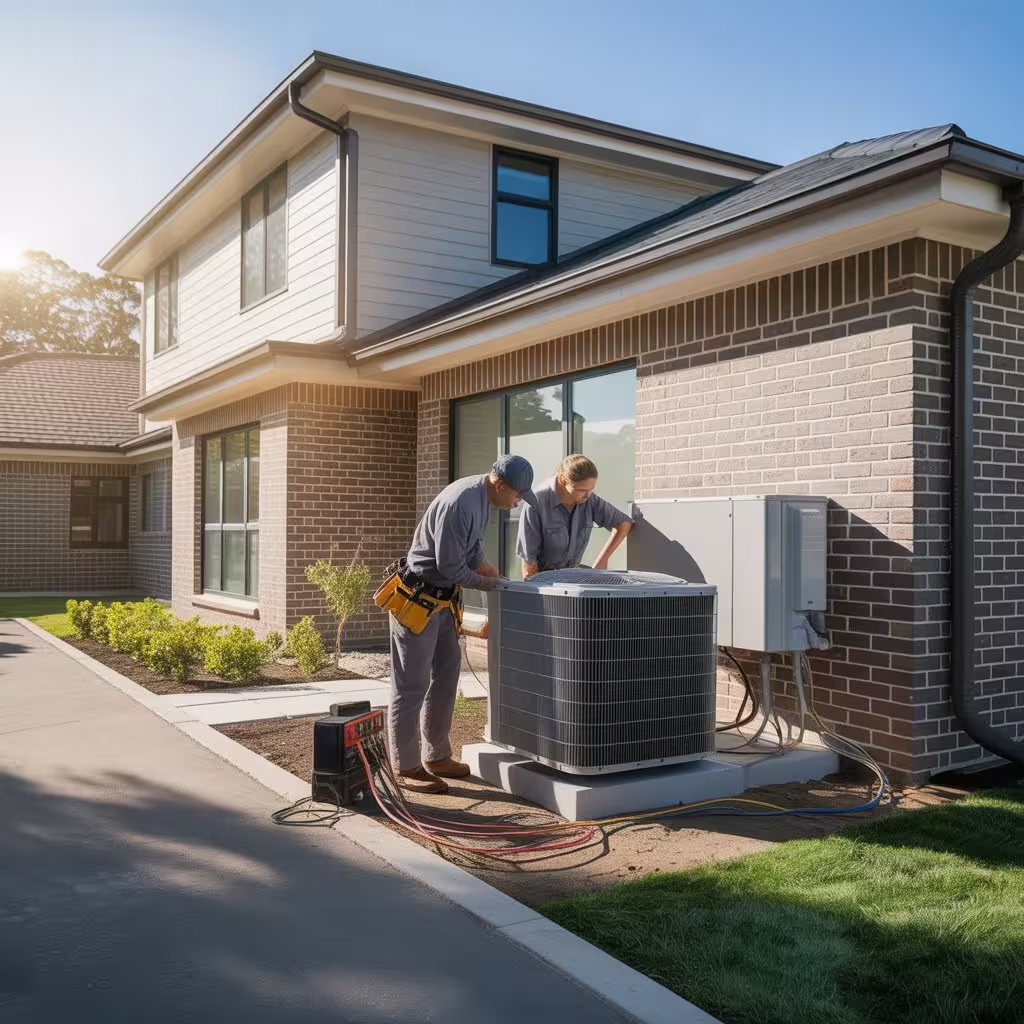
- Place the Pad. Identify exactly where the outdoor condenser will sit.
- Route the Lines: Plan how refrigerant and condensate lines will exit the building.
Phase 3: Wait for the Dry In
The building must be stable and protected from the elements before precision work begins.
- Check the frame. Ensure the roof is on and the windows are in place.
- Clear the Paths. Verify that mechanical chases are open and ready for large ducts.
- Verify Inspections: Ensure the structural framing inspection has been completed and passed before you start drilling.
Phase 4: The Rough in Grind
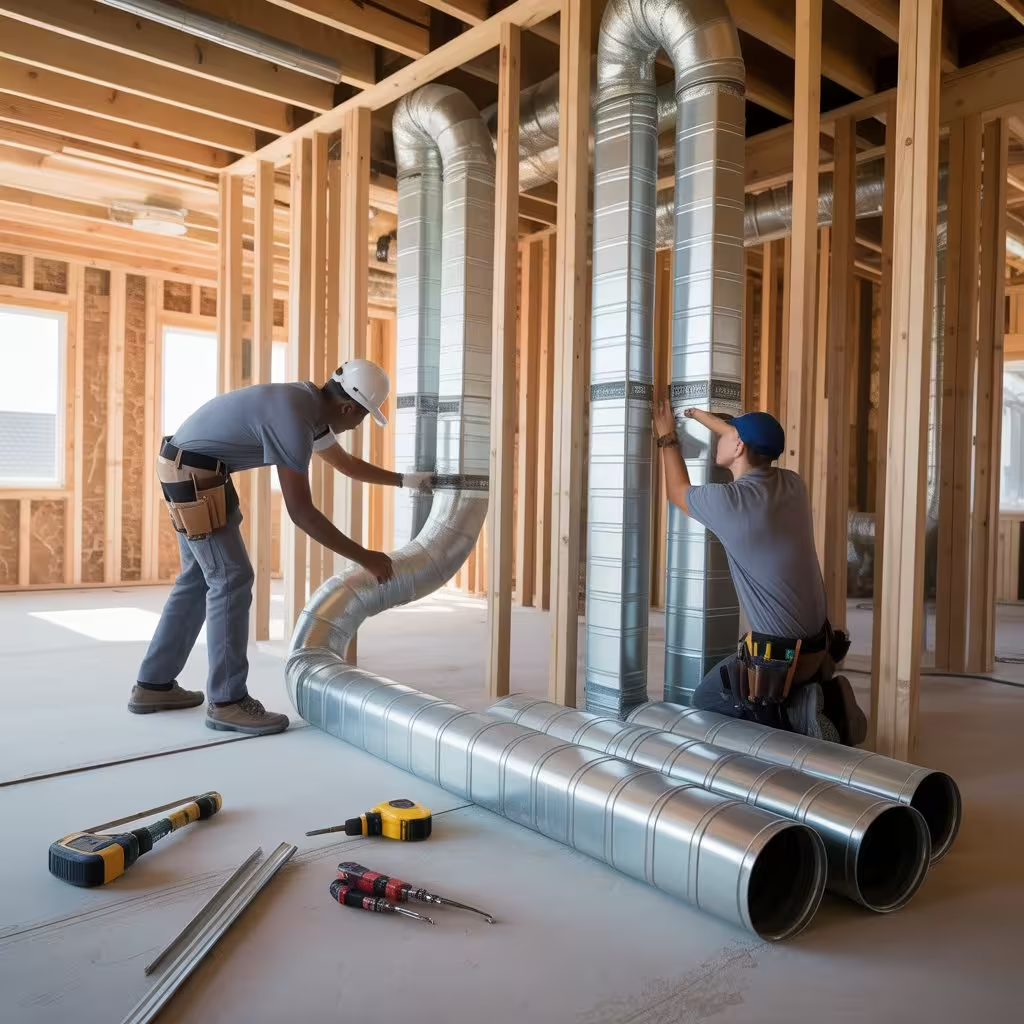
This is where the System takes shape inside the walls. Your crew will install the HVAC system’s skeleton during this window.
- Hang the Ducts. Install main trunks, branch lines, and supply boots.
- Run the Vents. Set up bath exhaust fans and laundry vents.
- Protect the Copper Pull refrigerant line sets and install condensate drains with the proper Pitch.
- Support the Weight Secure all hangers, platforms, and equipment stands.
Phase 5: The Critical Inspection Gate
Never let a builder cover your work with insulation until a pro looks at it.
- Pressure Test: Check every line for leaks while they are still visible.
- Pass the City Audit. Get the green light from the local mechanical inspector.
- Resolve conflicts. Clear any space issues with plumbers or electricians before the drywall goes up.
Phase 6: Equipment Setting and Final Hooks
Wait until the drywall dust settles. Installing sensitive electronics in a dusty construction zone ruins filters and motors.
- Drop the Units. Place the air handler or furnace and the outdoor condenser.
- Connect the Dots: Attach the gas lines, electrical whips, and drain safeties.
- Wire the Brains. Mount the thermostat bases and connect the low-voltage wires.
Phase 7: Startup and Handoff
The final stage turns the hardware into a working environment. This happens right before the moving trucks arrive.
- Charge and Test: Verify refrigerant levels and check airflow at every register.
- Program the System Set up the Wi-Fi thermostats and test the emergency heat.
- Educate the Owner: Show the homeowner how to change filters and use the controls.
- Get the Sticker. Pass the final mechanical inspection for the Certificate of Occupancy.
Pro Tips to Prevent Delays
Even the best plans hit snags. Watch out for these common 2026 bottlenecks.
- Lead Times: Heat pumps and high-end air handlers can take months to arrive. Order them the day you get your permit.
- Drain Pitch: If a condensate line doesn’t slope correctly, you will have water damage in your ceiling within a month.
- Grading: Ensure the yard is leveled before the HVAC crew arrives to set the outdoor unit. If the ground is messy, the Pad will sink or tilt.
The Builder Ready Checklist
Before Rough In
- Permit is in hand
- Duct layout is approved.
- The building is dry in
Before Insulation
- Rough inspection passed
- Drains are pitched
- Line sets are protected
Before Startup
- Filters are clean
- Power is live
- Registers are installed
HVAC Installation Timing for New Construction Projects in 2026 with an Engineering Focus
HVAC timing is not guesswork. It follows structure, weather protection, code inspection, and equipment readiness. In a typical 2026 new build, HVAC planning starts during design and permit review, long before a crew hangs duct.
Load calculations, equipment selection, duct sizing, ventilation planning, and mechanical layouts should be done before framing starts. If that work gets rushed, the field crew ends up forcing ducts through tight framing bays, and everyone blames everyone else.
The first physical HVAC work usually starts after framing creates the mechanical paths and before insulation closes the walls. Rough-in comes before drywall. Equipment settings often wait until the building envelope can protect units from theft, dust, and abuse. Startup and commissioning belong near project closeout, not in the middle of chaos.
Critical Path Planning for HVAC Rough-In Scheduling in 2026
HVAC rough-in sits on the critical path because it depends on framing and blocks insulation and drywall. If the rough-in misses its window, the whole house feels it.
Builders who treat HVAC like an afterthought usually end up cutting framing, moving plumbing, or tearing open finished surfaces. That is sloppy work and a stupid way to spend money.
Schedule HVAC rough-in right after framing inspection and after window and roof dry in, if possible. The crew needs confirmed equipment specs, approved duct layout, framing complete in key chases, and coordination with plumbing, fire protection where required, and electrical.
Rough-in should include ducts, boots, line sets, condensate drains, bath fan ducts, fresh air ducts, exhaust paths, and equipment pads or supports. Do not call insulation until the mechanical inspection passes. That one shortcut causes endless rework.
HVAC Installation Phasing from Early Trenching Through Final Commissioning in 2026
HVAC phasing starts earlier than many rookies think. If the design includes geothermal loops, underground sleeves, buried condensate routing, or site power planning for heat pumps, the HVAC contractor may need trenching coordination during site utilities.
Skip that talk, and you can end up trenching twice. Nobody enjoys paying for the same dirt move two times.
Next comes preconstruction review, equipment submittals, and mechanical layout approval. After framing, the rough-in crew installs ducts, line sets, condensate piping, flue routing if used, and ventilation components. After a rough inspection, insulation and drywall proceed.
Later, crews set indoor and outdoor equipment, connect electrical whips, controls, gas piping where needed, and water lines for humidifiers or hydronic elements if specified. Last comes startup, air balance, refrigerant charging verification, controls setup, and owner handoff. That is the right order.
Coordinating HVAC Work with Structural Framing and MEP Integration in 2026
Most HVAC disasters in new construction come from poor coordination with framing and other trades. Ductwork needs depth. Line sets need protected routes. Air handlers need service clearance.
Return air paths need real space, not wishful thinking. If framing crews fill every cavity with beams, posts, and headers without checking mechanical drawings, HVAC installers get boxed into bad choices.
Builders should run a coordination meeting before the rough-in starts. Review truss layouts, dropped soffits, duct chases, plumbing walls, panel locations, vent routing, and equipment access. Mechanical, electrical, and plumbing crews should agree on sequence, penetrations, and inspection timing.
In 2026, more projects use tighter building envelopes and larger heat pump systems. That raises the stakes for proper duct routing and condensate planning. One conflict behind a shower wall can trigger a painful chain of delays.
HVAC Start Up and Testing Verification Timing in 2026
Startup is not just flipping the switch and walking away. Real startup happens when power is stable, filters are in place, ducts are sealed, the structure is clean enough to protect equipment, thermostats are installed, and refrigerant circuits can be checked under proper conditions.
Start too soon, and construction dust contaminates coils, fans, and filters. Then owners inherit a dirty system before moving in.
Testing verification in 2026 should include electrical checks, airflow checks, static pressure review, refrigerant charge confirmation per manufacturer procedure, condensate drainage test, thermostat control check, safety control test, and ventilation verification.
If the project includes zoning, each zone damper and sensor needs testing. Heat pump installs may need low-ambient procedures depending on the weather.
A proper startup report gives builders proof that the system was set up right and gives homeowners a clean record for warranty support.
Temperature Humidity Control Readiness for HVAC During Interior Build Out in 2026
Interior build-out suffers when temperature and humidity swing all over the place. Drywall mud, flooring, millwork, paint, and trim all react to poor conditions. Still, running the full HVAC system too early can damage equipment if the house remains a dust cloud with open doors and unfinished returns. This is where bad judgment costs real money.
The right move is controlled readiness. Once the building is dried in, insulation is installed where required, duct rough-in has passed, and temporary filtration and cleaning measures are in place, builders can plan limited conditioning if manufacturer rules allow it.
Keep returns protected. Replace filters often. Watch indoor humidity during the flooring and finish phases. In humid regions, dehumidification matters just as much as cooling. In cold climates, do not ignore freeze protection for condensate lines and coils during partial operation.
Avoiding Rework by Installing HVAC at the Correct Construction Stage in 2026
Install HVAC at the wrong stage, and somebody pays for rework. Usually, everybody pays. Put line sets in before framing details are final and they may land inside a beam pocket. Set condensers before exterior grading and you risk wrong clearances or damaged pads. Hang ducts before other overhead work gets settled and crews crush or move them.
The clean path is simple. Design first. Confirm lead times. Rough in after framing creates the routes. Inspect before insulation. Set the equipment after major dust-producing work drops off and the building can protect the system. Commission nears closeout when controls, power, and finishes no longer interfere.
Every shortcut looks harmless on paper. It never stays harmless in the field. Builders should treat each HVAC stage like a gate. If the prior gate is not complete, stop and fix it before the next crew covers the problem.
Electrical and Controls Readiness for HVAC Install Timing in 2026
No HVAC system works right if the electrical and controls lag behind. The mechanical crew can install perfect equipment and still fail startup because disconnects are missing, breaker sizes are wrong, control wire is incomplete, or low-voltage devices are buried behind unfinished walls. That kind of mess is avoidable and should never surprise a competent builder.
In 2026, many homes use heat pumps, variable speed air handlers, smart thermostats, fresh air controls, zoning panels, condensate safeties, and sometimes backup heat.
Those systems need early electrical coordination. Confirm voltage, circuit counts, breaker sizes, disconnect locations, and control cable paths before rough close-in.
Gas furnaces also need venting clearance and gas piping pressure tests before startup. Water connections for humidifiers or specialty systems should be pressure tested before finish surfaces go in. If controls are not ready, the startup is fake, and a fake startup leads straight to callbacks.
Conclusion
Getting HVAC timing right in a new construction project in 2026 is not optional. It protects your budget, your schedule, and the long-term performance of the home. Rough-in should follow framing and happen before insulation and drywall.
The equipment setting should wait until the site is cleaner and ready. Final startup should happen near closeout with full testing and commissioning. If builders and homeowners stay strict with sequencing, inspections, and quality checks, they avoid delays, rework, and costly mistakes that should never happen.
