
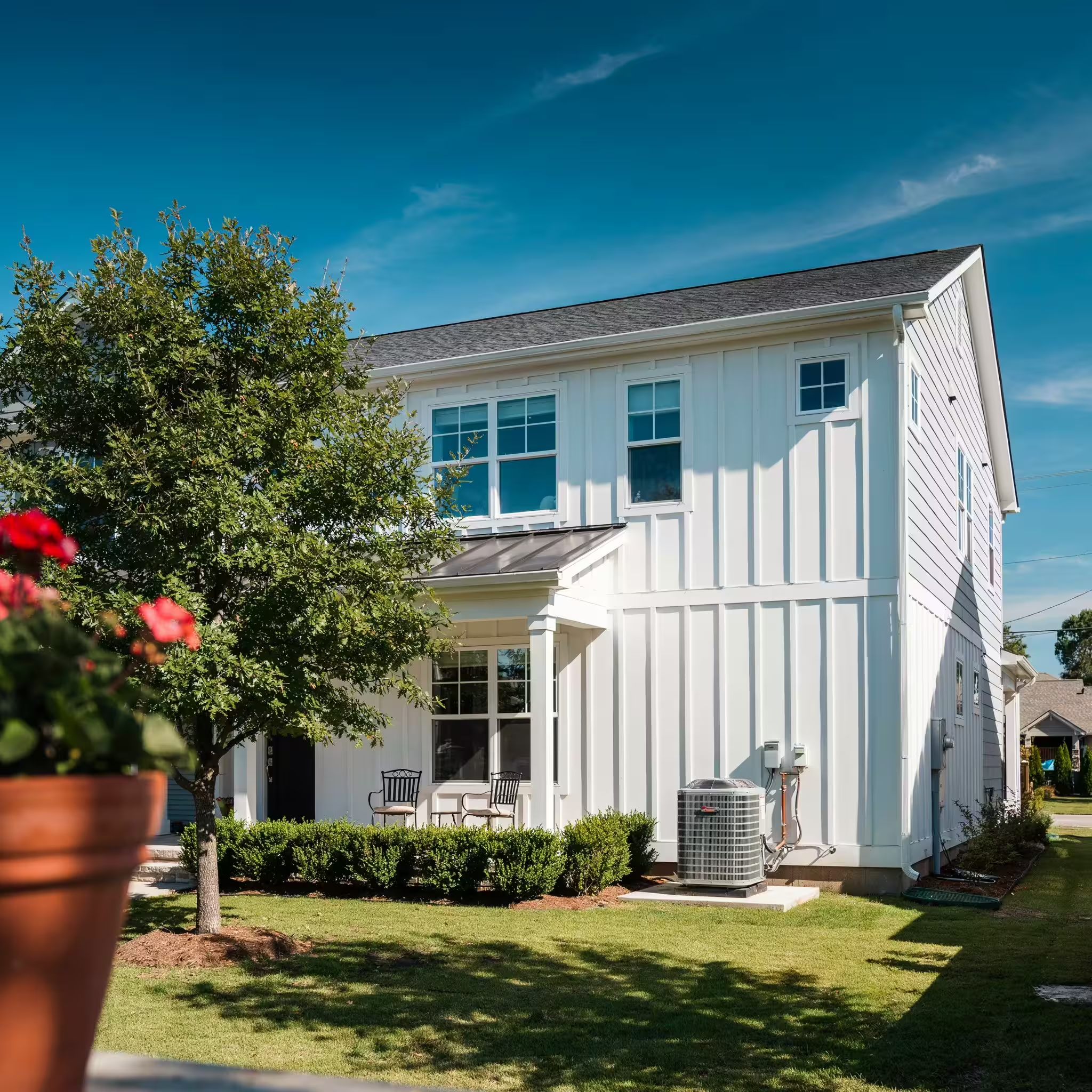
Buying a new HVAC system is a big decision. It keeps your home cool in summer and warm in winter. It also affects your energy bills and daily comfort.
Many homeowners think a bigger system must work better. That is not true. A system that is too big can cause problems. A system that is too small can also cause problems.
Your HVAC system needs to fit your home, just like a pair of shoes needs to fit your feet. The right fit feels comfortable and works well. The wrong fit becomes annoying and costly.
In this blog post, you will learn how to choose the right HVAC system size for your home without getting lost in confusing terms.
Why Does HVAC System Size Matter?
Your HVAC system heats and cools the air in your home. If it has the right size, it can keep your rooms comfortable without working too hard.
A properly sized system can help you:
- Stay comfortable in every season.
- Lower your monthly energy bills.
- Control humidity in your home.
- Avoid too many repairs.
- Help your system last longer.
The goal is simple. You need a system that does its job at a steady pace.Think about filling a glass with water. If you pour too slowly, it takes too long. If you pour too fast, water spills everywhere. Your HVAC system works best when it delivers the right amount of heating or cooling at the right speed.
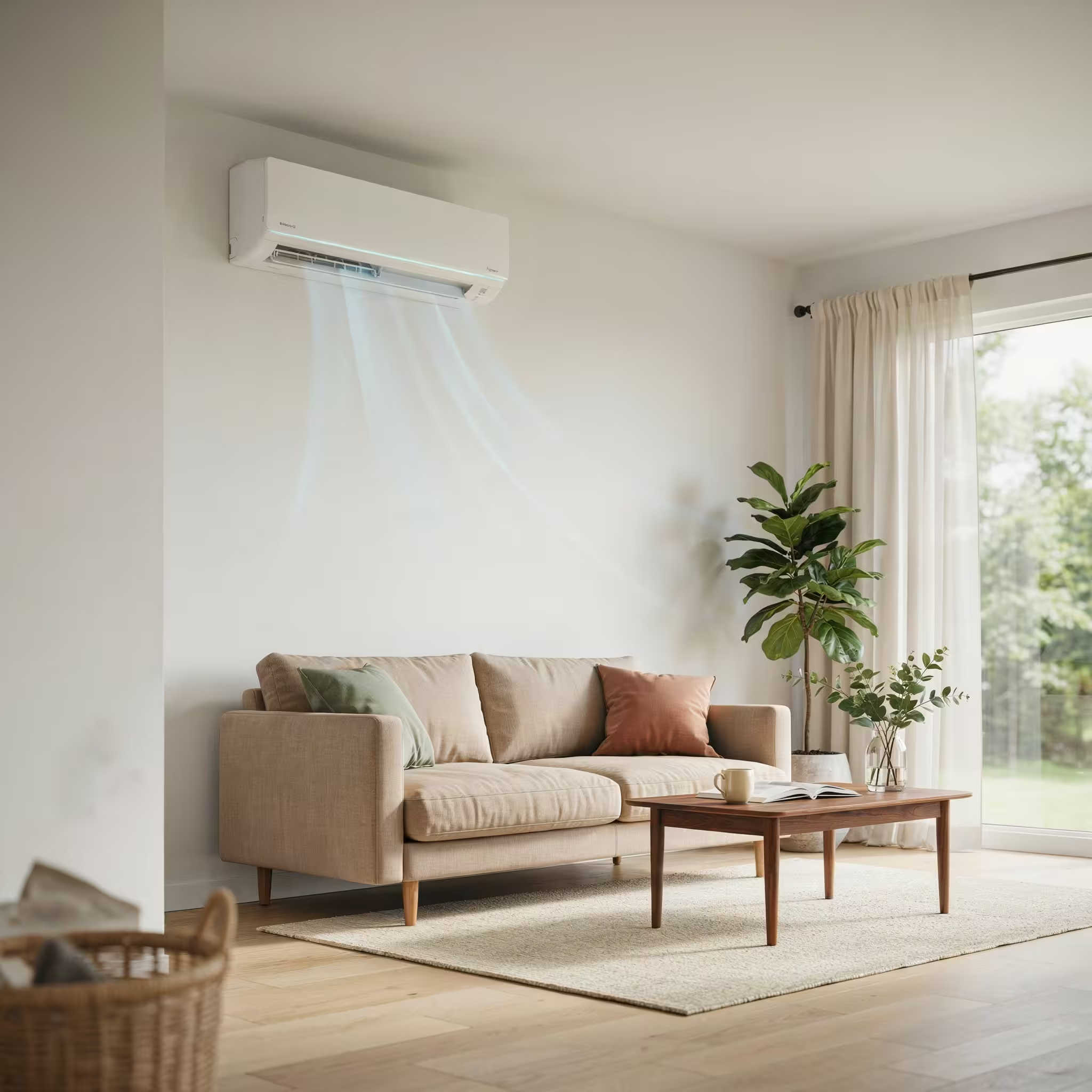
What Happens When Your HVAC System Is Too Big?
A large HVAC system may sound like a smart choice. After all, a bigger system should cool your home faster, right?
It can cool your home faster, but that is not always a good thing.
When an air conditioner cools your home too quickly, it shuts off before it removes enough moisture from the air. Your home may feel cool but still sticky and damp.
A system that is too large may also turn on and off again and again. This is called short cycling. It wastes energy and puts extra stress on the equipment.
You may notice:
- Some rooms feel too cold while others feel warm.
- Your home feels humid in summer.
- Your system starts and stops often.
- Your energy bills stay higher than expected.
- Your equipment needs repairs sooner.
A bigger unit does not always bring better comfort. In many homes, it causes more trouble.
What Happens When Your HVAC System Is Too Small?
A small HVAC system has a different problem. It may not have enough power to keep up with your home’s needs.On a very hot day, a small air conditioner may run for hours and still fail to cool your rooms. During winter, a small heating system may struggle to keep your family warm.
You may notice:
- Your HVAC system runs almost all day.
- Your rooms never reach the temperature you set.
- Upstairs rooms stay hot in summer.
- Your home feels cold during winter.
- Your energy bills rise because the system keeps running.
An undersized system works hard, but it may never give you the comfort you expect.
What Does HVAC System Size Mean?
HVAC size does not mean how large the equipment looks outside your home. It means how much heating or cooling the system can provide.
Professionals measure HVAC power in BTUs. BTU stands for British Thermal Unit. You do not need to remember the long name. Just think of BTUs as a way to measure heating and cooling strength.
Air conditioners also use the word ‘tonne’. One ton equals 12,000 BTUs of cooling power per hour.
For example:
- 2-ton system gives 24,000 BTUs of cooling.
- 3-ton system gives 36,000 BTUs of cooling.
- 4-ton system gives 48,000 BTUs of cooling.
The right number depends on your home. You do not need the most powerful system. You need the one that fits your space and comfort needs.
Can You Choose HVAC Size by Square Footage?
Square footage gives you a starting point, but it does not give you the full answer. Two homes can have the same square footage and still need different HVAC sizes.
For example, one 2,000-square-foot home may have:
- New windows.
- Thick insulation.
- Plenty of shade.
- Sealed ductwork.
Another 2,000-square-foot home may have:
- Old windows.
- Very little insulation.
- Strong afternoon sunlight.
- Leaky ducts.
The second home may need more heating or cooling help, even though both homes have the same amount of floor space.You can look at an online sizing chart to get a rough idea. However, do not buy a new system based only on that chart.
What Is a Manual J Load Calculation?
A Manual J load calculation helps an HVAC contractor find the right system size for your home.Instead of guessing, the contractor studies your home carefully. They check how much heat enters your home in summer and how much heat escapes during winter.
A contractor may look at:
- The size of your home.
- The height of your ceilings.
- Your window type and size.
- The amount of insulation.
- The condition of your ducts.
- The direction your home faces.
- The amount of sunlight your rooms receive.
- Your local weather.
- The number of people who live in the home.
This calculation helps the contractor recommend a system that fits your home properly.Before you buy HVAC equipment, ask the contractor if they will perform a Manual J load calculation. A quick guess may save time at first, but it can cost you money later.
What Factors Affect the HVAC Size Your Home Needs?
Your home has its own comfort needs. Several details affect the size of HVAC system you should choose.
Home Size and Ceiling Height
A larger home usually needs more heating and cooling power. However, ceiling height matters too.
A room with tall ceilings holds more air than a room with standard ceilings. Your HVAC system needs to heat or cool that extra air.
This means a home with large open rooms and high ceilings may need different equipment than a smaller, lower-ceiling home.
Local Weather
A home in a very hot area needs strong cooling during summer. A home in a cold area needs reliable heating during winter. A home in a humid location needs help removing moisture from indoor air. Your HVAC contractor should understand local weather and choose a system that can handle it.
Insulation
Insulation helps protect your home from outdoor temperatures. It keeps hot air outside during summer and the warm air inside during winter.
A home with good insulation often stays comfortable longer. The HVAC system does not need to work as hard.
A home with poor insulation may lose comfortable air quickly. Before installing a bigger HVAC system, it may make sense to improve insulation or seal air leaks.
Windows and Sunlight
Windows can change the temperature in your home. Large windows bring in more sunlight. Older windows may also let outdoor air enter more easily.
A room that faces the afternoon sun can become very warm in summer. That extra heat affects your cooling needs.
Good windows, blinds, curtains, and outdoor shade can help your home stay cooler.
Number of People and Appliances
People give off body heat, and appliances also create heat as well. Your oven, stove, lights, television, computer, and dryer can warm your home.
A busy family home may need more cooling support than a home with only one or two people.
Ductwork
Ducts carry warm and cool air through your home. If your ducts leak, some of that air may escape before it reaches your rooms.
Even a correctly sized HVAC system may perform poorly if the ductwork has damage or airflow problems.
Ask a contractor to check your ducts before installing new equipment.
Does the Type of HVAC System Change the Size You Need?
Yes. Different systems work in different ways.
Central Air Conditioner and Furnace
A central air conditioner cools your home. A furnace heats it. Both usually send air through ducts.
Your contractor should size the equipment correctly and make sure your ducts can move air properly.
Heat Pump
A heat pump can heat and cool your home. It moves heat instead of creating it in the same way a furnace does.
Because it works during both summer and winter, your contractor needs to consider both seasons before choosing the size.
Ductless Mini-Split System
A ductless mini-split can heat or cool one room or several zones. It works well for additions, garages, older homes, or rooms that never feel comfortable.
Each room may need its own calculation. A large bedroom and a small office will not always need the same amount of heating or cooling.
Variable-Speed HVAC System
A variable-speed system can adjust its power as your home’s needs change. It may run gently during mild weather and work harder on very hot days.
This can improve comfort, but the system still needs the right size. Special features cannot fix a poor choice.
Common Mistakes to Avoid When Choosing HVAC Size
Homeowners often make simple mistakes when buying a new system. You can avoid them by knowing what to watch for.
Do Not Pick a Bigger Unit Just to Feel Safe
A bigger system may sound safer, but it can create humidity problems, uneven comfort, and higher costs.
Choose the right fit instead of the largest option.
Do Not Automatically Match Your Old System
Your old system may have been the wrong size from the beginning. Your home may also have changed.
You may have added insulation, replaced windows, built a room, or repaired leaks. These changes can affect the size you need now.
Do Not Choose Only by Price
The cheapest quote may not offer the best value. Ask each contractor how they chose the system size.
A fair quote should include careful planning, correct sizing, and clear answers.
Do Not Forget About Ductwork
New equipment cannot fix every comfort problem. If your ducts leak or do not move air properly, your home may still feel uncomfortable.
How Can You Tell If Your Current System Has the Wrong Size?
Your home may give you clues that something is not right.
Your system may be too large if:
- It turns on and off often.
- Your home feels humid.
- Some rooms feel much colder than others.
- Your bills stay high.
Your system may be too small if:
- It runs for long periods.
- Your home never feels cool enough in summer.
- Your rooms stay cold in winter.
- The thermostat setting seems impossible to reach.
However, these problems can also come from dirty filters, duct leaks, poor insulation, or damaged equipment. A trained technician can inspect the system and find the real cause.
Questions to Ask Before You Buy an HVAC System
Before you choose a new system, ask your contractor a few simple questions:
- Will you perform a Manual J load calculation?
- Why do you recommend this system size?
- Will you inspect my ductwork?
- Does my home need better insulation or air sealing?
- Which system type fits my home best?
- What warranty comes with the equipment?
- What maintenance will the system need?
A good contractor will answer clearly. You should feel comfortable before you make a large purchase.
Final Thoughts
Choosing the right HVAC system size for your home does not need to feel difficult. The most important thing to remember is simple: bigger is not always better.
A system that is too large may waste energy and leave your home feeling humid. A system that is too small may run all day and still fail to keep you comfortable.
Your home needs a system that fits its size, insulation, windows, layout, ducts, and local weather. A professional load calculation can help you make the right choice.
When your HVAC system fits your home, you can enjoy steady comfort, lower energy waste, and fewer worries for years to come.
