
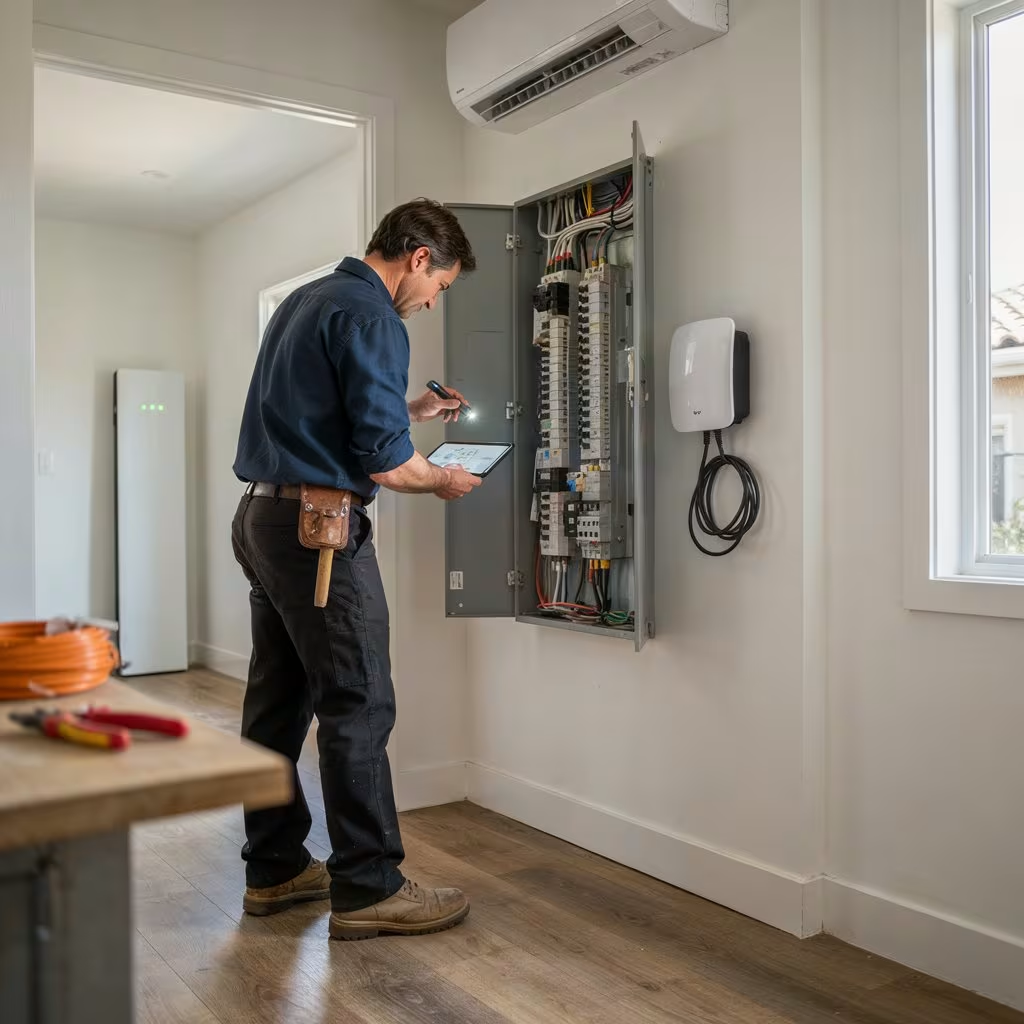
California homes are using more electricity than ever. Electric vehicles, heat pumps, electric water heaters, solar panels, batteries, and electric appliances are becoming more common.
That is good news for energy efficiency, but it also means your home’s electrical system may have more work to do. This is where your electrical panel becomes important.
If your panel is old, already crowded, or does not have enough capacity for new equipment, adding another major electrical load may not be simple. California’s newer energy rules are also making homes more prepared for future electric equipment.
So, is your electrical panel ready for 2027? The answer depends on your home’s age, electrical service, existing equipment, and future plans. There is not one rule saying every California homeowner must replace their panel by 2027.
Instead, homeowners should understand the current energy requirements and make sure their electrical system can handle the changes ahead.
What California’s New Energy Code Means for Homeowners
California’s 2025 Building Energy Efficiency Standards took effect for covered projects with permit applications submitted on or after January 1, 2026. The updated code expands the use of heat pumps, encourages electric-ready construction, and supports the wider use of efficient electric systems.
One important part of the code is the idea of being electric-ready. In simple terms, a home may still have certain gas or propane appliances, but the building must include infrastructure that makes a future switch to electric equipment easier.
For example, certain newly constructed single-family homes with gas or propane appliances must have dedicated wiring and reserved space in the electrical panel for future electric equipment. These requirements can apply to space heating, cooking, clothes drying, and water heating.
This does not mean every existing home needs to replace its panel. It means California is planning ahead so that homes can move toward efficient electric equipment without requiring major electrical work later.
Does the 2027 Timeline Mean a New Electrical Panel Law?
Not exactly. The phrase “ready for 2027” can make it sound as if every California home must have a new electrical panel by a certain date. That is not the right way to look at it.
The important date for the current 2025 Energy Code is January 1, 2026. The rules apply to covered projects based on their permit and construction circumstances. Existing homes are not automatically required to replace their electrical panels simply because the calendar reaches 2027.
However, 2027 is still a useful target for homeowners to think ahead. If you plan to install an EV charger, heat pump, electric water heater, solar system, or other large electrical equipment, now is a good time to check whether your panel can support those plans.
What Is an Electrical Panel and Why Does Its Capacity Matter?
Your electrical panel is the control center for your home’s electricity. Power enters your home through the electrical service and reaches different circuits through breakers inside the panel.
Each breaker protects a circuit from drawing too much current. Your panel also has a total capacity, often described in amps. A larger service can generally support more electrical demand, but the correct size depends on the home’s actual loads and electrical design.
Think of it like a road. A small road can handle a few cars easily. Add hundreds of cars, and traffic becomes a problem. Your electrical system works in a similar way. Adding several high-demand appliances can put more pressure on the system.
That is why simply counting empty spaces in a panel is not enough. A panel may have open breaker spaces but still need a proper electrical load calculation before new equipment is added.
How New Energy Requirements Can Increase Electrical Demand
California’s move toward cleaner and more efficient homes means many homeowners may eventually use more electric equipment. Even if each appliance is safe on its own, several major loads together can change the home’s electrical needs.
Heat Pumps and Electric Heating
Heat pumps are becoming a major part of California’s energy strategy. Instead of burning gas to create heat, a heat pump moves heat from one place to another using electricity.
The 2025 Energy Code includes electric-ready requirements for certain newly constructed homes that install gas or propane space-heating systems. These requirements include a dedicated 240-volt branch circuit and reserved panel space for a future heat pump in applicable situations.
Electric Water Heaters
Water heating can also affect your electrical system. Heat pump water heaters use electricity and require appropriate electrical connections.
California’s current code includes specific readiness requirements when gas or propane water heaters are installed in certain new single-family homes. These requirements can include dedicated electrical connections and reserved panel space for future equipment.
Electric Cooking and Clothes Dryers
Electric ranges, cooktops, and clothes dryers can also require dedicated circuits. The 2025 Energy Code requires certain newly constructed homes with gas or propane cooking or clothes-drying equipment to include wiring and reserved panel space for future electric replacements.
This is one reason planning ahead matters. A homeowner may not want an electric appliance today but may choose one several years from now.
Solar Panels and Battery Storage
Solar panels can help a home produce its own electricity, while battery storage can save energy for later use. These systems also need to be properly connected to the home’s electrical system.
The California Energy Commission’s newer requirements include provisions related to solar and battery readiness in certain new construction. For example, some requirements address panel and busbar capacity and space for future equipment.
EV Charging
An electric vehicle charger can be another significant electrical load. Charging at home is convenient, but the electrical system must be able to support the charger safely.
If you are thinking about buying an EV, do not wait until the car is sitting in your driveway to check the panel. Looking at your electrical capacity first can help you understand whether your current system can support the charger or whether changes may be needed.
7 Signs Your Electrical Panel May Not Be Ready
You do not need to be an electrician to notice signs that your electrical system deserves attention. Look at the bigger picture rather than focusing on one feature.
- Your panel has a low amperage rating for your planned electrical needs.
- Most or all breaker spaces are already occupied.
- The panel is very old or has components that are difficult to replace.
- You plan to add several major electric appliances.
- You want to install an EV charger.
- You are planning solar panels or battery storage.
- You notice heat, burning smells, buzzing, corrosion, or visible damage around the panel.
These signs do not automatically mean you need a complete panel replacement. An electrician can inspect the system and determine what work, if any, is actually necessary.
What the 2025 California Energy Code Requires for Electric Readiness
One of the biggest ideas in the current code is preparing buildings for future electrification.
For certain newly constructed single-family homes that use gas or propane appliances, California requires infrastructure that can support future electric replacements. For example, a home with a gas furnace may need a dedicated 240-volt circuit and reserved breaker space for a future heat pump. Similar provisions can apply to gas cooktops and clothes dryers.
The requirements are more specific than simply saying, “Leave room in the panel.” The wiring must be installed in the required location, and the panel space must be reserved and labeled for future use.
Reserved Breaker Space
Reserved space in an electrical panel may seem like a small detail, but it can make future upgrades much easier.
A breaker cannot simply be added anywhere there happens to be room. The panel must be suitable for the equipment and installed according to applicable electrical requirements.
By planning the space during construction, a future homeowner may have an easier path when replacing a gas appliance with electric equipment.
Dedicated 240-Volt Circuits
Many larger electric appliances need 240-volt circuits. These circuits provide the electrical supply needed for equipment such as certain heat pumps, cooktops, dryers, and water heaters.
Under the 2025 Energy Code, applicable electric-ready provisions can require dedicated 240-volt wiring for future equipment. For example, the requirements for a future heat pump space heater include a dedicated 240-volt branch circuit with a minimum 30-amp branch circuit conductor.
The exact requirement depends on the equipment and project, so homeowners should not assume that every appliance needs the same circuit.
Planning for Future Electrification
The main goal is simple: make future electric upgrades easier.
Instead of waiting until a gas appliance fails and then discovering that new wiring or panel work is needed, electric-ready construction creates a path for the future. This approach can reduce surprises and make later upgrades more practical.
Does Your Home Need a 200-Amp Electrical Panel?
You may hear that every modern home needs a 200-amp panel. That is too broad.
A 200-amp service can be a good fit for many homes with larger electrical needs, but panel size should be based on the home’s actual and planned loads. A licensed electrician can perform a load calculation to determine whether your existing service has enough capacity.
California’s code also uses requirements involving panel and busbar capacity in certain applications. For example, the California Energy Commission explains that a 200-amp panel can meet certain battery-readiness requirements when it has the required 225-amp busbar rating and is properly marked.
So, do not choose a panel based on the amp number alone. The service, panel, busbar, breakers, wiring, and planned equipment all matter.
How to Know If Your Electrical Panel Is Ready for 2027
Start by looking at what you have today and what you expect to add tomorrow. A panel that works perfectly for a gas-heated home with no EV may have very different needs once the homeowner adds an EV charger, heat pump, and electric water heater.
Check the amperage rating printed on the panel. Then look at how many breaker spaces are available. Next, make a list of major electrical equipment already in the home and any upgrades you are considering.
Most importantly, have a professional evaluate the system before adding major loads. A qualified electrician can look at the panel, service, wiring, existing loads, and planned equipment and determine whether the system has enough capacity.
Panel Upgrade vs. Panel Replacement: What’s the Difference?
These terms can sound similar, but they do not always mean the same thing.
A panel upgrade may involve increasing electrical capacity or changing equipment so the system can safely support new loads. A panel replacement may involve removing an old or damaged panel and installing a new one.
Sometimes the entire electrical service needs attention. In other cases, the existing service may be adequate, and only specific improvements are needed.
That is why it is better to get an electrical assessment before assuming that a full replacement is necessary.
How an Electrician Can Prepare Your Home for Future Energy Upgrades
A professional assessment can give you a much clearer picture of your home’s future electrical needs.
An electrician can inspect the condition of your panel, review the service capacity, check existing circuits, and perform a load calculation. They can also discuss planned upgrades such as an EV charger, heat pump, electric water heater, solar panels, or battery storage.
This is especially useful if you are planning several upgrades at once. Instead of making one change today and discovering a limitation later, you can create a more complete plan for the home’s electrical system.
What Homeowners Should Do Before Adding New Electrical Equipment
Before installing a major electric appliance, do not assume your existing panel can handle it just because there is an empty breaker space.
Start with the equipment you want to add and find out what electrical requirements it has. Then compare those requirements with your home’s existing electrical system.
If you are planning several upgrades, have them reviewed together. Installing an EV charger today and adding a heat pump next year could create different electrical needs than installing either one by itself.
Planning first can help you avoid unnecessary work, unexpected costs, and delays.
Final Checklist: Is Your Electrical Panel Ready?
Use this simple checklist as a starting point:
| Check | What to Look For |
|---|---|
| Panel capacity | Is the service suitable for your planned loads? |
| Breaker space | Is there room for required or future circuits? |
| Panel condition | Is the panel free from obvious damage or overheating? |
| 240V circuits | Are the required dedicated circuits available or planned? |
| EV charging | Has future EV charging been considered? |
| Solar | Can the electrical system support your solar plans? |
| Future electrification | Can you plan for heat pumps and electric appliances? |
| Professional assessment | Has a licensed electrician evaluated the system? |
Prepare Your Electrical Panel Before Your Energy Needs Grow
Being ready for 2027 is not about rushing out to replace your electrical panel because of a single deadline. It is about looking ahead.
California’s energy rules are pushing new construction toward greater electric readiness, with requirements that prepare certain homes for future heat pumps, electric appliances, and other systems.
For homeowners, the smartest move is to understand how those changes may affect their own plans. If you are considering an EV charger, heat pump, electric water heater, solar panels, or battery storage, check your electrical system before you buy the equipment.
A professional evaluation can tell you what your panel can handle today and what may need to change tomorrow. That small step can help you build a safer, more practical, and more future-ready home.
