
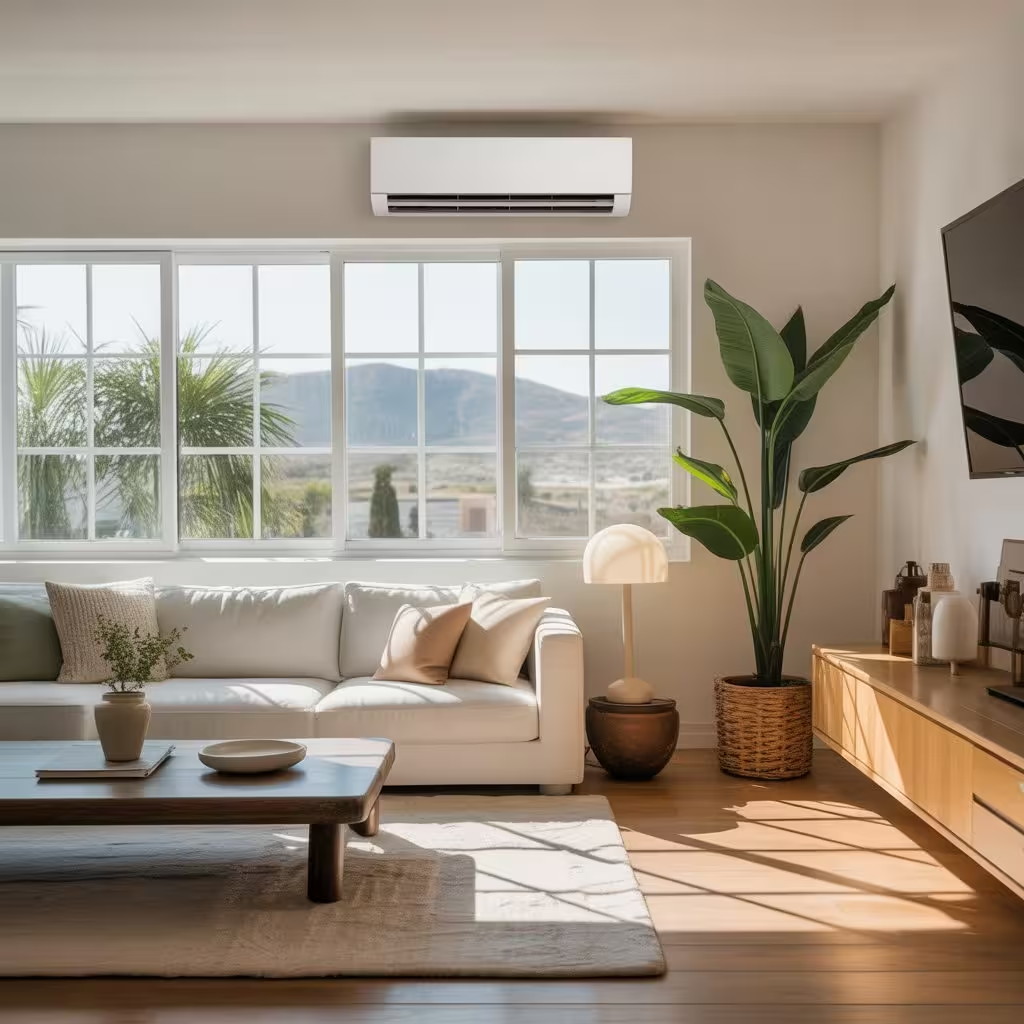
Residents in California aren’t just swapping out their old appliances, they’re rethinking the whole idea of indoor comfort. For years, everyone went with central HVAC systems. You know, those setups that blast air through ducts to heat or cool the entire house. And honestly, that worked fine for a while.
Now everything is different. With electricity costs climbing, plus tighter energy rules, unpredictable weather patterns emerge meanwhile, many aging houses lack correct duct setups. Staying on old heating methods? That idea fades fast.
Now, Homeowners want solutions that fit their actual lives. They’re looking for smarter, more flexible ways to stay comfortable at home. That’s why mini split systems are getting so popular. These systems give you comfort where you need it without wasting energy on rooms you’re not using.
It’s not just a fad either. Mini splits are quickly becoming the go-to option for California houses, and it’s all part of a bigger shift toward efficiency, control, and sustainability.
What Is a Mini Split System?
A single room gets its own airflow without the need for long pathways under floors. This kind of setup skips the network of channels entirely, bringing temperature control straight where it’s needed.
Two key parts make up the setup, including a unit outside, along with at least one inside. These links use slim tubes that carry coolant, not heavy, space-eating air channels.
This setup speeds up installation while cutting down on interruptions. Because every room gets its own temperature settings, there is no need to adjust the entire home just to make the bedroom feel right.
Now imagine trading a single bulky setup meant to handle it all, for several compact systems tuned exactly to the spaces where life happens. This shift brings a level of adaptability and smart performance suited to how houses work today.
What are the Main Parts of a Mini Split System?
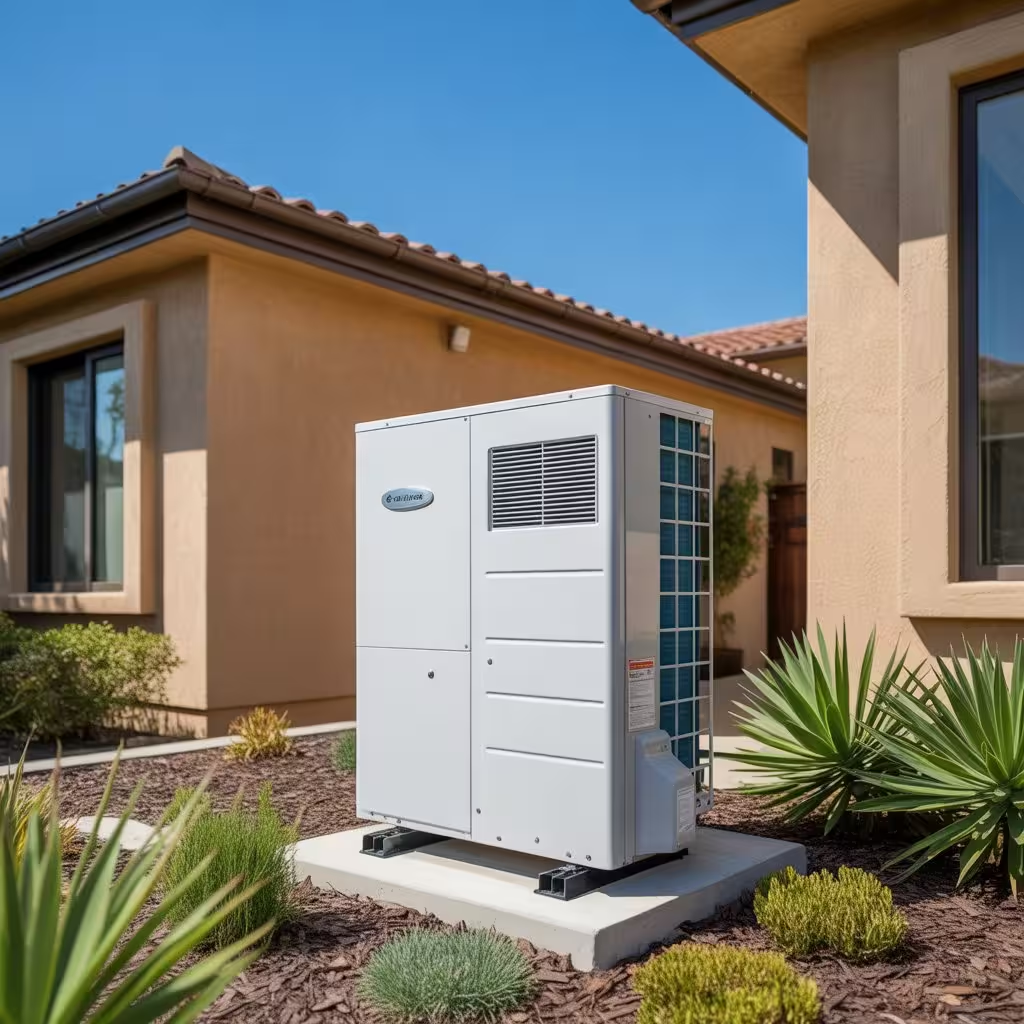
A mini split system runs on two main components working together for heating and cooling. You’ve got the outdoor unit, usually sitting somewhere outside your house. That’s where the compressor lives, the part that drives the whole operation.
Then, inside the house, you install indoor units in different rooms. These blow air right where you need it. The indoor and outdoor units are hooked up by slim pipes that carry refrigerant back and forth, moving heat efficiently.
Because of this setup, you don’t need any ductwork. No ducts means less energy wasted and an easier, less invasive installation. The whole system is compact and flexible, ideal for homes where you just can’t deal with a full construction project for traditional heating and cooling.
How Mini Split System Work?
A mini split doesn’t create heat it just moves it, which saves a lot of energy. Instead of one big system struggling to control the climate for your whole house, you have individual units in each room.
Each indoor unit takes in the room’s air, heats or cools it, and releases it right back. The outdoor unit manages the temperature shift outside.
This kind of setup only uses energy where you need it, so you avoid wasting electricity on empty rooms.
You get quick temperature changes and better comfort, since you’re only focusing on the spaces people actually use. That’s a big win for efficiency and everyday convenience.
Reason Behind Mini Split Systems Fast Growth in California?
- High energy costs demand attention
Homeowners across California face some of the steepest electricity bills nationwide – so saving power matters more than ever. Outdated heating and cooling setups tend to lose energy through leaky ducts, weak insulation, or by chilling rooms nobody uses.
Ductless airflow finds its way through mini splits, slipping into rooms quietly. Much less power slips away when there is no need for long pathways.
A single room running doesn’t mean the rest needs cooling too. When just part of the home uses climate control, costs start shrinking each month.
Bills keep climbing, so people want ways to stay cozy without overspending – that is why mini splits fit well. These systems handle temperature while keeping expenses predictable, which draws interest from careful buyers.
- Energy Efficiency and Electrification Gain Momentum
California pushes forward on efficient energy habits thanks to tough construction rules and clear green targets. Because of these efforts, residents find ways to cut power waste, shrink carbon output, and slowly phase out natural gas setups.
Electricity powers mini splits completely, making them a strong match for clean energy targets. Since they run so efficiently, using them feels almost effortless.
Solar panels link up smoothly, giving homeowners a natural way to cut grid reliance. Their design fits modern needs without demanding much space or noise.
Homeowners who care about the planet find these systems fit well ahead of coming changes. With the state moving hard into electric power, many now choose mini splits not just to meet rules but because they lower harm to nature.
- California Weather Varies by Region
One part of California might be sunny while another shivers. Near the ocean, temperatures stay calm most days. Farther inside, summers blaze without warning. Up high, snow piles deep when winter arrives. A one-size-fits-all setup struggles just trying to keep pace.
One reason mini splits work well is how they manage different spaces. A separate setting handles each area, depending on what you require. So while the main rooms stay fresh through daylight hours, sleeping zones get tuned gently after dark. Energy isn’t spent where it’s not needed.
Because it adapts so well, staying comfortable feels easier while also keeping energy use smart, no matter how hot or cold the area gets.
- Older Homes Lack Ductwork
Older houses across California went up when central heating and cooling wasn’t around yet, so most never got ducts. Putting in air channels later means high costs, long waits, plus breaking through walls or overhead surfaces just to fit them.
A hole in the wall is all it takes. Mini splits skip ductwork entirely, fitting neatly where others can’t. Older houses gain comfort without rewiring walls. One unit sits inside, another outside, linked through that tiny opening. Upgrades happen fast, minus the mess of tearing down ceilings.
With sleek new systems, homeowners get updated climate control minus big renovations and style stays intact, yet coziness goes up. Instead of tearing walls, they slip in tech that works quietly behind the scenes. Comfort grows even as floor plans remain untouched.
- Rapid Growth of ADUs (Accessory Dwelling Units)
A tiny home on your lot might just be the move in places like California, where more people want extra room without leaving their neighborhood. One thing stands clear that each little structure needs its own way to stay warm or cool, separate from the main house.
A single unit fits tight spaces, runs on little power, works right after setup. Since it stands alone, adjusting warmth here won’t shift settings there.
Finding a spot for these works just as well in guest accommodations, rented spaces, or personal work areas.
Residents want more ADUs now, so mini splits show up a lot, quietly handling heat and cool without fuss. One reason sticks out that they just work when you need them.
- Homeowners Want More Control
Homeowners today want choices they can actually manage. Instead of heating or cooling everything at once, older systems push air through the whole place without adjusting. This often means some rooms feel too hot while others stay cold. Energy slips away doing extra work for little gain.
One thing about mini splits is that they let each person set their own comfort level in different rooms. When a space sits empty, shut that unit down, which saves energy right there. Some models answer to phone taps or distant remotes, making adjustments quiet and simple.
Comfort gets a boost when settings match how people live. With daily routines changing fast, homes now pick tech that follows their lead instead of demanding changes from the user.
Top Benefits of Mini Split Systems
- Energy Efficiency That Actually Saves Money
When it needs more cooling, the system speeds up and when it maintains the required temperature it slows down. Running steady beats, starting and stopping all day long.
When temps stay steady, power surges fade away while parts last much longer. Little by little, less energy gets used and breakdowns happen far less often.
Mini splits save money right away while lasting years, so they fit today’s households well. Their steady performance adds up over time instead of fading fast.
- Real Monthly Savings
A few things stand out, like lower power costs when using mini splits. Since they target rooms people actually use, wasted energy drops off sharply.
Homeowners often see lower bills, which sometimes cuts expenses by nearly half when swapping out old setups. Over time, those reductions cover what it took to get everything installed at first.
With passing years, savings pile up by turning mini splits into a quiet win for anyone aiming to spend less down the road.
- Zoned Comfort
Not everyone likes the same warmth, and mini splits get that. One space might run cool while another stays warm, no problem. Settings shift from room to room without needing extra gear. Personal choices just work together, quietly.
A single home might have someone who likes it chilly, somebody else needing warmth. Old setups simply cannot handle that kind of split preference.
Comfort gets better for each person at home because heating stays where they actually need it. While improving energy efficiency by focusing only on occupied areas.
- Easy Installation
A single wall cut lets the line run through when setting up a mini split, way easier than wrestling with old-style heating and cooling gear. Skipping ducts means no tearing open ceilings or floors just to fit pipes where they go.
A tiny hole is all it takes for technicians to link both units. With less cutting into walls, work wraps up faster and expenses drop. Homes stay mostly undisturbed when the setup avoids major renovations.
It’s ideal for remodels when space won’t allow ductwork. Works well during system updates too. Homes without room for traditional setups find that it fits just right.
- Better Indoor Air Quality
Few people overlook the state of air inside homes, particularly where dust and allergens settle. Over years, standard duct networks tend to gather particles, spreading them through airflow instead.
Without requiring ductwork, mini splits avoid related complications entirely. Air purification occurs naturally through integrated filtration components inside each unit.
A more balanced indoor climate emerges when allergen levels drop alongside better airflow, offering conditions that support household well-being.
Families prioritizing health may find these setups naturally align with their daily needs.
- Quiet Performance
Designed for quiet performance, mini split units suit environments sensitive to sound. Where older models generate detectable hums, these function with barely any disturbance. Their operation remains unobtrusive, fitting rooms needing calm conditions.
Rather than loud cycling, a steady flow of air moves almost silently. Because they lack bulky components, mechanical sounds stay extremely low. In contrast to standard setups, noise levels drop significantly during use.
The absence of ductwork contributes to an overall hush in daily function. Even at peak output, the system avoids drawing attention by sound alone. This near-silent behavior supports concentration, rest, or conversation without break.
Due to their calm operation, these units suit spaces like bedrooms or places where focus matters. A steady airflow moves through the room, leaving silence behind it.
Homeowners experience balanced warmth or cooling, undisturbed by noise. Peace remains present even as temperatures stay controlled.
Cost of Mini Split Systems in California
Average Installation Costs
Mini split system costs vary depending on the size and complexity of the installation. A single-zone system typically ranges from $3,000 to $6,000, while multi-zone systems can cost between $8,000 and $15,000 or more.
These costs include equipment and installation. While the upfront investment may seem high, the long-term savings in energy bills often justify the expense.
Homeowners should consider both initial costs and future benefits when evaluating the overall value of a mini split system.
What Affects the Price?
Besides size, what shapes the price tag is how many spaces need cooling. Each extra zone means another indoor unit, along with added materials and time on-site.
Home dimensions shape the price, while tricky setups add more. Brand reputation plays a role too. Sometimes, older wiring must change, pushing expenses higher.
A clearer picture of these elements lets homeowners shape spending plans while picking setups fitting what they actually require with no surprise costs showing up later.
When details make sense, choices follow naturally instead of relying on guesses during decisions.
Long-Term Value
Durability meets efficiency when you choose mini splits and costs stay down because they use less power every month. Bills shrink over time, thanks to steady performance that hardly needs attention.
Mini split setups tend to last longer than standard heating and cooling systems. As years pass, some people begin seeing returns on what they spent at first, thanks to lower bills, turning these units into a sensible pick for anyone settling in one place for good.
California Rebates and Incentives
California offers various rebates and incentives to encourage energy-efficient home upgrades. Homeowners may qualify for state programs, utility rebates, and federal tax credits.
These incentives can significantly reduce the overall cost of installing a mini split system. In some cases, savings can reach thousands of dollars, making the upgrade more affordable.
Taking advantage of these programs helps homeowners maximize their investment while supporting energy efficiency goals.
Mini Split vs Other Systems
Mini Split vs Central AC
| Feature | Mini Split | Central AC |
| Ducts Required | No | Yes |
| Energy Efficiency | High | Moderate |
| Installation Cost | Medium | High (with ducts) |
| Control | Room-by-room | Whole house |
Mini Split vs Window Units
| Feature | Mini Split | Window Unit |
| Noise Level | Very quiet | Loud |
| Efficiency | High | Low |
| Appearance | Clean | Bulky |
| Lifespan | Long | Short |
Best Homes for Mini Split Systems
Mini split systems are best suited for homes that require flexible and efficient climate control. They work especially well in older homes without ductwork, where installing traditional systems would be costly and disruptive.
Apartments, condos, and smaller homes also benefit from their compact design and zoned control. Additionally, they are ideal for ADUs, guest houses, and home additions that need independent temperature management.
Their adaptability makes them a practical solution for a wide range of living spaces, especially where customization and efficiency are important priorities.
Mini Split Installation Process
The installation of a mini split system is straightforward and typically completed within one to three days. First, a technician evaluates the home to determine the best system design and placement of units.
Next, the indoor and outdoor units are installed in their respective locations. Small pipes and electrical connections are then set up to link the components.
Finally, the system is tested to ensure proper operation. This efficient process minimizes disruption and allows homeowners to quickly enjoy improved comfort.
Best Mini Split Brands in California
Several brands are known for producing high-quality mini split systems that offer reliable performance and durability.
Popular options include:
- Mitsubishi Electric
- Daikin
- Fujitsu
- LG
These brands are trusted for their advanced technology, energy efficiency, and long-lasting systems. Choosing a reputable brand ensures better performance, fewer issues, and greater long-term value for homeowners investing in mini split solutions.
Maintenance Tips for Long-Term Performance
Proper maintenance is essential to keep a mini split system running efficiently for many years. Homeowners should clean filters regularly to prevent dust buildup and ensure smooth airflow.
Scheduling annual servicing helps identify and fix potential issues early. It is also important to keep the outdoor unit free from debris to maintain proper operation.
With consistent care, mini split systems can last between 15 to 20 years, providing reliable performance and comfort over time.
Is a Mini Split System Worth It?
Mini split systems are a worthwhile investment for homeowners looking for efficient and flexible climate control. They offer lower energy bills, improved comfort, and easy installation compared to traditional systems.
While they may not be ideal for very large homes with existing ductwork, they are an excellent choice for most modern living situations.
Their ability to provide zoned control and reduce energy waste makes them a smart solution for long-term savings and convenience.
Conclusion
Mini split systems are rapidly gaining popularity in California because they address real challenges faced by modern homeowners.
They provide a combination of efficiency, flexibility, comfort, and cost savings that traditional systems struggle to match.
As energy costs continue to rise and regulations become stricter, the demand for smarter solutions will only grow.
Mini splits represent a forward-thinking approach to home comfort, making them a strong choice for anyone looking to upgrade their heating and cooling system in a practical and sustainable way.
