
Buying a new heating and cooling system can be a major expense for a California homeowner. For years, federal tax credits helped reduce that cost for people who installed qualifying energy-efficient HVAC equipment. But those federal incentives have changed, leaving many homeowners wondering what savings are still available in 2027.
The good news is that the end of a federal HVAC tax credit does not mean every HVAC incentive has disappeared. California still has programs designed to encourage energy-efficient upgrades, especially systems that use less energy and help homes move toward cleaner electricity. Utility companies and some local programs may also offer their own rebates.
The important thing to know is where to look and to check the rules before buying equipment. A rebate that sounds useful may have income limits, contractor rules, limited funding, or equipment requirements. Understanding those details can help you avoid spending more than necessary.
What Happened to the Federal HVAC Tax Credit?
The federal government previously offered tax credits for certain energy-efficient home improvements, including cooling and qualifying heating equipment. These incentives helped homeowners lower their federal tax bill after installing eligible systems.
However, federal energy incentives have changed, and homeowners should not assume that a tax credit available in an earlier year will still apply to an installation made in 2027.
This is an important distinction between a tax credit and a rebate, they are not the same thing. A tax credit generally reduces the amount of federal income tax you owe, while a rebate usually provides money back after you meet a program’s requirements.
When Did the Federal HVAC Tax Credit End?
The timing depends on the specific federal incentive and the equipment involved. Some federal home-energy credits have been changed or ended under newer federal legislation.
For a 2027 HVAC purchase, homeowners should check the current federal rules rather than relying on older articles, advice from previous years, or advertisements. Program dates can change, and an incentive that worked for an installation in previous years may not apply to a 2027 project.
Which HVAC Systems Are No Longer Eligible for the Federal Credit?
There is no single rule that applies to every HVAC system. Eligibility depends on the exact federal program, installation date, equipment type, and other requirements.
That means homeowners should not assume that installing a new air conditioner, furnace, or heat pump automatically qualifies for a federal benefit.
Instead, look at the current requirements for the exact model you plan to install. Your contractor should also be able to provide equipment information, efficiency ratings, and other documents needed to determine whether an incentive applies.
Does the Federal Tax Credit Change California HVAC Rebates?
Federal incentives and California rebate programs are separate.
The end of a federal tax credit does not automatically cancel a California rebate. State programmes, local offers, and utility incentives can continue under their own rules and funding schedules.
This is why California homeowners should look beyond federal programmes when planning an HVAC replacement.
Are There Still HVAC Rebates in California in 2027?
Yes, California homeowners may still have opportunities to reduce HVAC costs in 2027. However, there is no single rebate that every homeowner receives.
California has several types of programs. Some focus on energy efficiency, some encourage heat pump installations, and others provide larger benefits to households that meet certain income requirements. Utility companies may also offer rebates for qualifying equipment.
For example, two homeowners living in different parts of California could install similar systems but receive different incentives because they use different utility providers.
The most important step is to check available programs before purchasing or installing the system. Some programs require pre-approval, specific equipment, or an approved contractor.
California HVAC Rebates That May Still Be Available in 2027
TECH Clean California Rebates
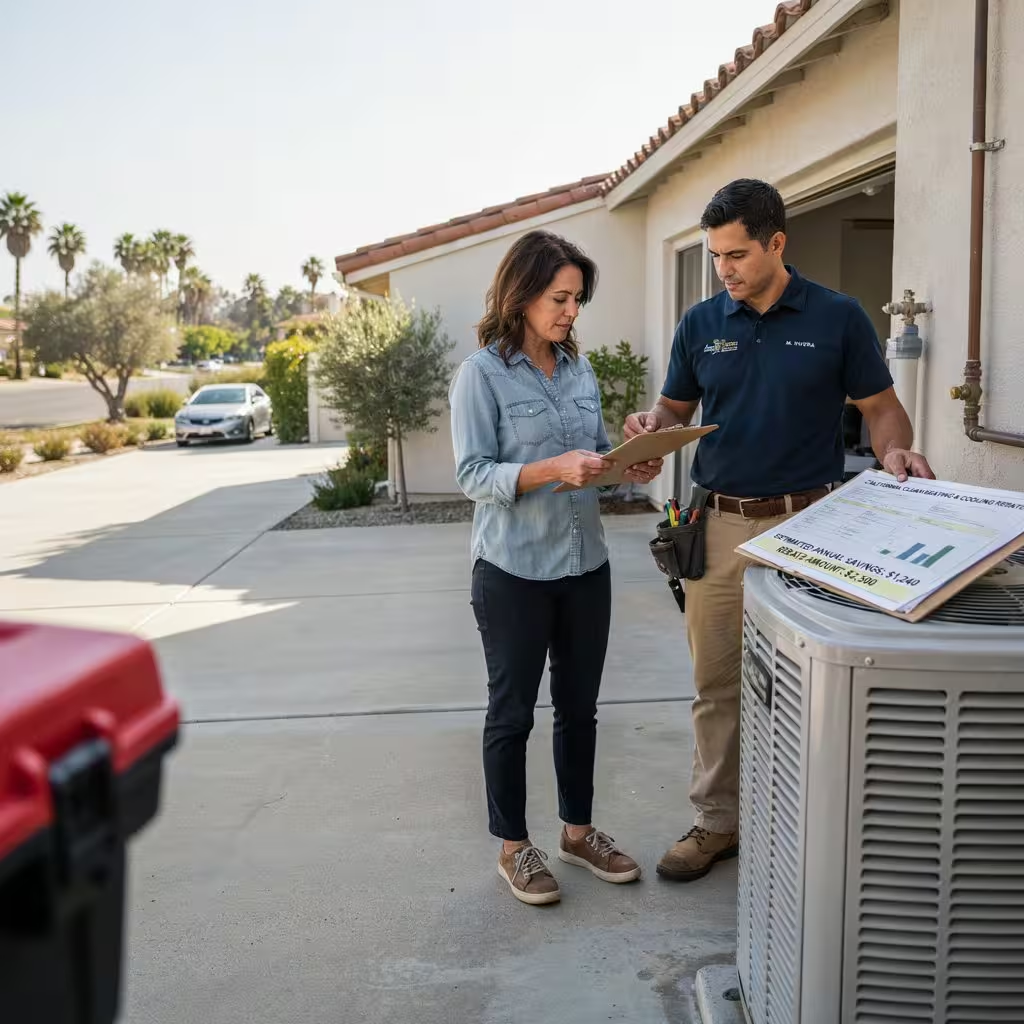
TECH Clean California has been part of California’s effort to encourage the adoption of heat-pump technology and cleaner home heating and cooling. Programs connected to this effort can help support the transition from traditional fossil-fuel equipment toward efficient electric systems.
Availability and incentives can change as funding is used or new program phases are introduced. Homeowners should therefore check the current program rules rather than assuming an older rebate amount still applies.
California Energy-Smart Heat Pump Incentives
Heat pumps are an important part of California’s energy strategy because one system can provide both heating and cooling. Unlike a traditional furnace, a heat pump uses electricity to transfer heat rather than generating heat by burning fuel.
Certain California programs can provide incentives for qualifying heat-pump installations. The amount may depend on the equipment, household income, location, and other requirements.
For a homeowner replacing an old furnace and air conditioner, a qualifying heat pump may offer a chance to combine energy savings with available incentives.
Utility Company HVAC Rebates
Your utility company may be one of the best places to look for HVAC savings. Electric and gas utilities can offer rebates for qualifying equipment, although the programs vary widely.
Some utility programs may require a specific efficiency rating or approved equipment. Others may require installation by a participating contractor or an application submitted within a certain period.
Before choosing a system, ask your utility provider which HVAC rebates are currently available. Doing this early can prevent an unpleasant surprise after installation.
Local and Regional HVAC Incentive Programs
State and utility programs are not the only possibilities. Certain cities, counties, and regional organizations may have their own energy-efficiency incentives.
These programs can be easy to miss because they may only serve a specific area. A homeowner might qualify for a local incentive in addition to a utility rebate, depending on the program rules.
When researching California HVAC incentives, check your ZIP code, utility provider, city, and county instead of searching only for statewide programs.
How Much Can You Save on a New HVAC System in California?
There is no single savings amount for every California homeowner. The final benefit depends on your utility provider, household income, where you live, the system you purchase, and the program’s current funding.
For example, imagine a homeowner needs to replace an old heating and cooling system. The homeowner finds a qualifying heat pump, checks the local utility program, and discovers an income-based incentive may also apply. The total savings could be much higher than if the homeowner simply purchased the first system offered by a contractor.
This is why it makes more sense to compare the final cost after eligible incentives rather than focusing only on the equipment’s advertised price.e. Homeowners can also review information about new HVAC system cost when estimating the overall project.
Keep in mind that rebates can have caps and may not cover the full installation. Labor, electrical upgrades, ductwork, permits, and other project costs may still apply.
Who Qualifies for California HVAC Rebates in 2027?
Income-Based Eligibility
Some programs provide larger incentives to households with lower or moderate incomes. You may need to provide proof of household income before receiving the incentive.
Do not assume you earn too much to qualify. Income rules vary between programs, and different programs can use different definitions of household income.
Existing HVAC System Requirements
Certain programs may require homeowners to replace an existing heating or cooling system. Others may have specific rules about what equipment is being replaced.
If you are building a new home or adding HVAC equipment where none existed before, the rules may be different.
Energy Efficiency Requirements
Rebates are often tied to efficiency standards. A system may need to meet a specific rating or appear on an approved equipment list.
This is one reason you should identify the exact model before signing a contract. A small difference between two similar-looking systems could affect whether one qualifies for an incentive.
Approved Equipment and Contractors
Some programs require specific equipment or installation by a participating contractor. Using an unapproved model or installer could make you ineligible.
Ask your contractor to confirm these requirements in writing before the project begins.
Rebate Application and Documentation Requirements
Keep your receipts, invoices, equipment model numbers, installation information, and other related paperwork. Some programs also require proof of purchase, photographs, or documentation from the contractor.
A rebate is not always automatic. Completing the application correctly and on time can be just as important as choosing qualifying equipment.
Comparing Heat Pumps and Traditional HVAC Incentives
Heat pumps often receive strong attention in California incentive programs because they can provide both heating and cooling while using electricity instead of directly burning natural gas or other fuels for heating.
A traditional HVAC setup may use an air conditioner for cooling and a gas furnace for heating. A heat pump can provide both functions through one system.
That does not mean every homeowner should automatically choose a heat pump. The right choice depends on the home’s size, insulation, existing ductwork, electrical capacity, climate, budget, and available incentives. Homeowners comparing these options can review Heat Pumps vs Air Conditioner before making a decision.
How to Claim an HVAC Rebate in California
1. Check Your Utility and Local Programs
Start by identifying your electricity and gas providers. Then look for state and local programs that apply to your address.
2. Confirm Equipment Eligibility Before Buying
Get the exact make and model of the proposed system. Check whether it meets the current efficiency and equipment requirements.
3. Choose a Qualified Contractor
If the program requires a participating or approved contractor, make sure your installer meets that requirement before work begins.
4. Complete the Installation
Follow all the program rules during installation and keep copies of equipment information such as invoices, permits, and most importantly, contracts.
5. Submit Your Rebate Application
Complete the application according to the program’s instructions. Do not wait until the last minute, especially if there is a submission deadline.
6. Keep Your Receipts and Required Documents
Store all project records in one place. If the program asks for proof later, having the paperwork ready can save you time and stress.
Common Mistakes That Can Make You Lose an HVAC Rebate
Even when a homeowner qualifies for an incentive, simple mistakes can cause problems. The most common issue is purchasing equipment before checking whether it qualifies.
Other mistakes include:
- Choosing equipment that does not meet the required efficiency rating.
- Hiring a contractor who does not meet program requirements.
- Missing an application deadline.
- Assuming every California homeowner receives the same rebate.
- Failing to keep invoices, model numbers, receipts, or installation records.
A few minutes of research before installation can prevent a costly mistake afterward.
How to Maximize HVAC Savings in California in 2027
The best time to research rebates is before you buy your HVAC system. Start with your utility provider, then check state and local programs that may apply to your home.
It is also smart to ask contractors for the complete equipment model numbers instead of accepting a general description such as “high-efficiency heat pump.” You can then compare those models against current program requirements.
If you are working with a professional HVAC company such as Home Right Inc., ask about available incentive programs during the planning stage. A knowledgeable contractor can help you understand equipment options and identify questions you should verify with the rebate provider.
Most importantly, compare your total project cost after eligible incentives. A slightly more expensive system may offer better long-term value if it qualifies for a larger rebate and uses less energy.
