
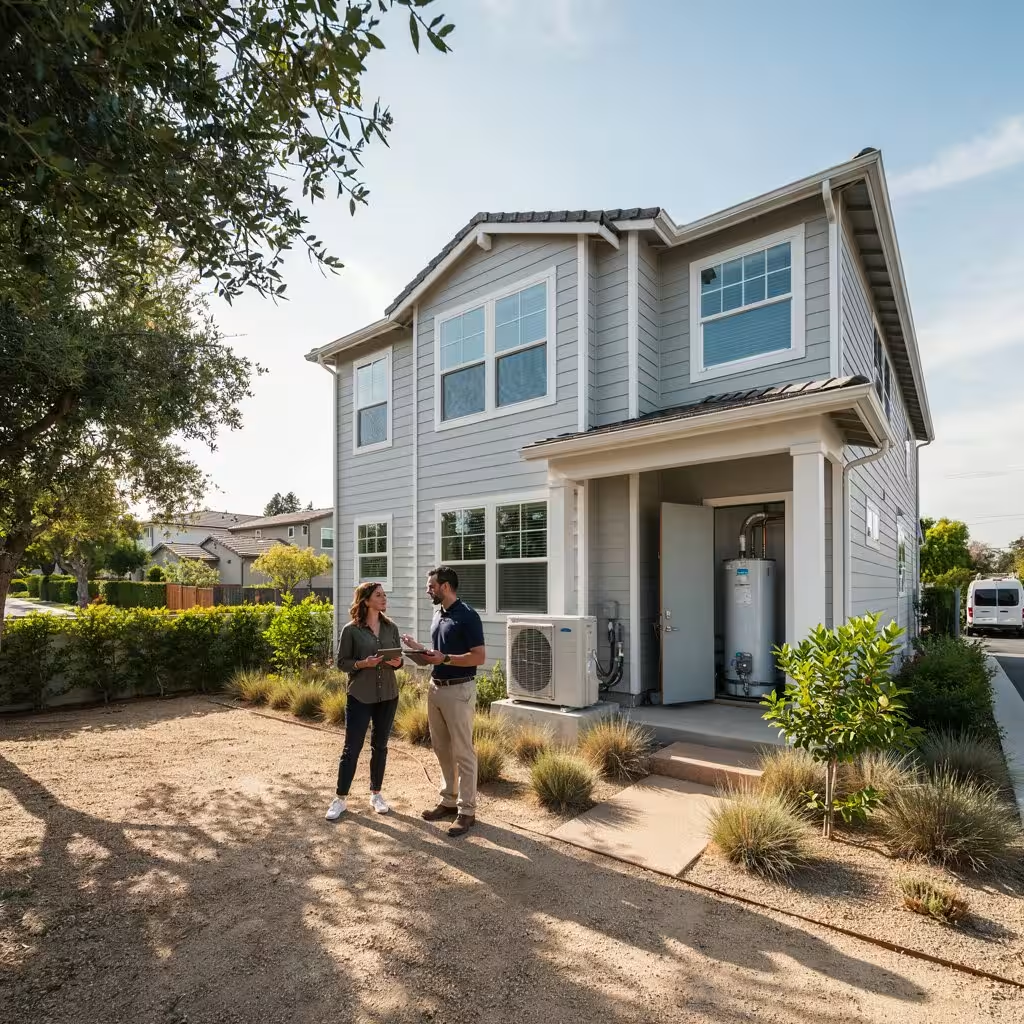
If you own a home in San Jose, you may have heard that the Bay Area is moving away from gas-powered heating equipment. That can sound like a big, expensive change, especially if your home currently uses a gas water heater or furnace.
The good news is that you do not need to replace every gas appliance in your home right now. The Bay Area Air District’s rules focus on certain newly installed furnaces and water heaters. Existing equipment is generally allowed to keep operating until it needs to be replaced.
The rules are part of a larger effort to reduce nitrogen oxide, or NOx, pollution. NOx can contribute to ozone and fine particle pollution, both of which can hurt air quality and public health.
For San Jose homeowners, the important part is understanding what the rules cover, when they apply, and how to prepare before an old appliance suddenly stops working.
There is also an important update to know in 2026 is the Air District released draft changes in July that would delay the residential water-heater requirement from 2027 to 2028 and add certain exemptions.
Those changes were released for public review and still require Board consideration, so homeowners should check the latest Air District information before making a decision.
What Is the Bay Area Air District’s Zero-NOx Mandate?
The Bay Area Air District regulates air pollution across the nine-county Bay Area, including San Jose. Its building appliance rules, known as Regulation 9, Rules 4 and 6, address NOx emissions from certain furnaces, water heaters, and boilers.
The basic idea is simple, when certain covered gas appliances are newly installed after the applicable compliance date, they must meet a zero-NOx emissions standard.
The rules do not tell homeowners to immediately remove working gas appliances from their homes. Instead, they affect what can be sold or installed when covered equipment is replaced.
Understanding NOx and Its Impact on Air Quality
NOx is a group of gases produced when fuels such as natural gas burn at high temperatures. You cannot usually see NOx coming from a furnace or water heater, but that does not mean it has no effect.
NOx can help form ground-level ozone and fine particulate matter. These pollutants can make outdoor air unhealthy, particularly for people who are more sensitive to pollution.
Think of it like, if one gas water heater may seem small compared with a factory or busy highway. But when thousands of homes use combustion appliances, those emissions add up.
That is one reason the Air District is targeting building heating equipment as part of its broader air-quality strategy.
Why Is the Bay Area Moving Toward Zero-NOx Appliances?
The goal is to reduce pollution from buildings while encouraging cleaner heating technology. The Air District adopted the updated rules in March 2023, with different compliance dates depending on the type and size of equipment.
For homeowners, this means the change will happen gradually rather than overnight. As older equipment reaches the end of its useful life, newer zero-emission options can take its place.
Which Home Appliances Are Affected by the Zero-NOx Rules?
It is important not to assume that the rules cover every gas appliance in your home. They specifically address certain space-heating and water-heating equipment. Gas cooking appliances, for example, are not covered by these particular rules.
Water Heaters and Boilers
Water heaters are one of the biggest areas homeowners should watch. Under the existing rule, zero-NOx standards for water heaters under 75,000 BTU per hour were scheduled to begin January 1, 2027. Larger water heaters, from 75,000 to 2 million BTU per hour, have a January 1, 2031 compliance date.
However, the situation is changing. In July 2026, the Air District proposed delaying the smaller residential water-heater requirement to January 2028 and adding exemptions for certain difficult or costly situations. As of now, homeowners should treat that as a proposed change, not a final rule.
Furnaces and Other Gas-Fired Equipment
The rules also cover certain natural gas furnaces. The zero-NOx standard for applicable furnaces is scheduled for January 1, 2029. There is also an earlier ultra-low-NOx standard for certain residential central furnaces that began in 2024.
This does not mean your existing furnace must suddenly be removed. The rules are designed around newly installed equipment.
New Construction vs. Existing Homes
A homeowner replacing an old furnace is in a different situation from someone building a brand-new home. The exact requirements can also depend on the appliance, its size, the installation date, and other applicable building rules.
That is why checking the current requirements before ordering equipment is smart. A contractor may know the basic rules, but homeowners should still ask what standard applies to the specific equipment being installed.
What Does the Zero-NOx Mandate Mean for San Jose Homeowners?
For most homeowners, the biggest change will happen when an existing covered appliance reaches the end of its life.
Do Homeowners Have to Replace Existing Gas Appliances?
No. The Air District’s rules do not require homeowners to immediately replace working furnaces or water heaters simply because they use natural gas. The rules apply when covered equipment is newly installed.
So if your water heater is working properly today, there is generally no reason to panic and replace it tomorrow just because of the zero-NOx rules.
Instead, think ahead. If your water heater is already old, learning about replacement options now can save you from making a rushed decision later.
What Happens When a Gas Appliance Needs Replacement?
When a covered appliance fails and needs replacement, the homeowner may no longer be able to simply install another gas-burning model that does not meet the applicable standard.
Today, electric equipment is the main commercially available technology that meets the Air District’s zero-NOx standard for these uses. Heat pump water heaters are one common example.
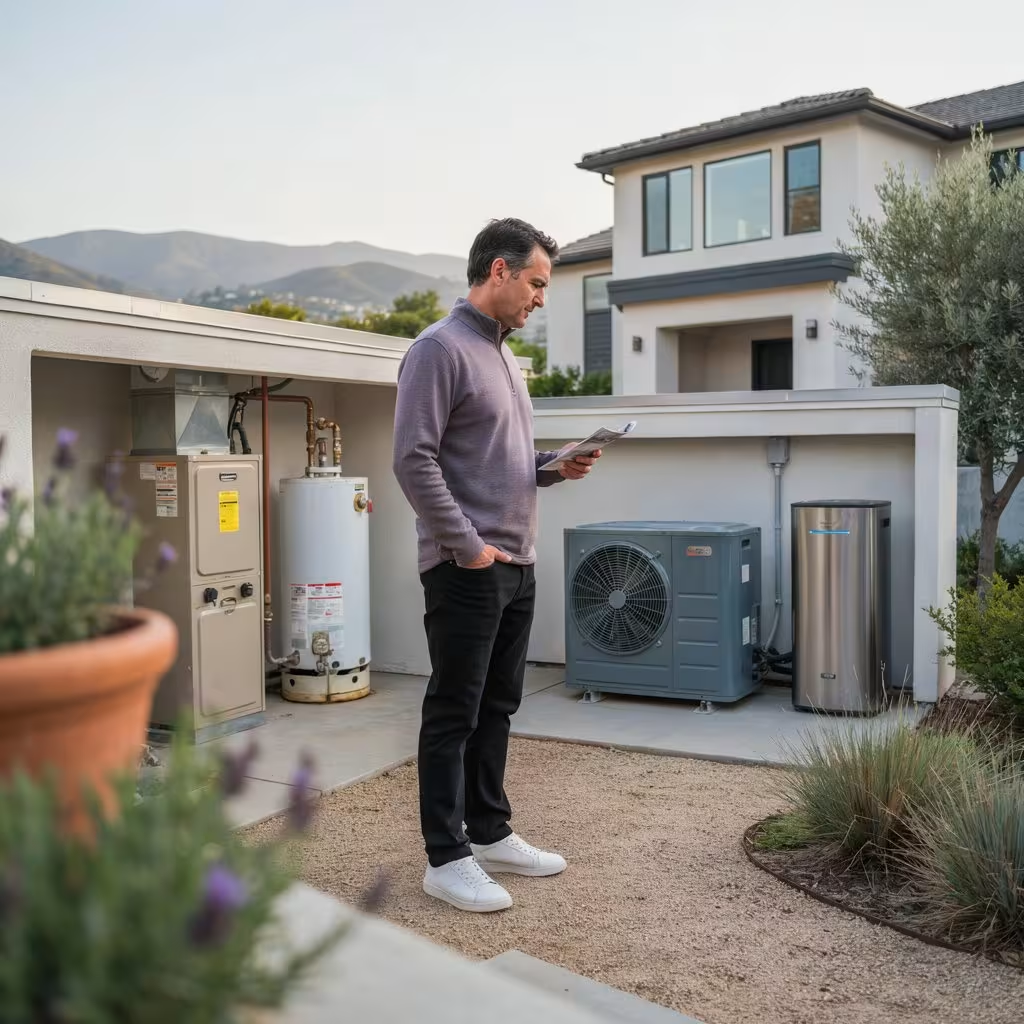
This is where planning matters. A replacement may involve more than choosing a new appliance. Your home may also need electrical work, changes to connections, permits, or adjustments to the installation area.
How Home Renovations Can Affect Compliance
A remodeling project is a good time to think about your heating systems. If you are already opening walls, upgrading an electrical panel, or replacing an aging water heater, planning for future equipment can be easier than doing everything separately later.
Before starting work, ask your contractor which permits and equipment standards apply. Local building requirements and Air District rules are not necessarily the same thing, so both should be considered.
Zero-NOx Appliance Options for San Jose Homes
The transition does not mean homeowners have to sacrifice comfort. Several electric technologies can provide heating and hot water without burning natural gas inside the appliance.
Electric Heat Pump Water Heaters
A heat pump water heater works differently from a traditional gas water heater. Instead of burning fuel to create heat, it uses electricity to move heat from the surrounding air into the water.
For homeowners, the result can feel familiar, you turn on the shower and get hot water. The technology behind the scenes is simply different.
Heat pump water heaters can be a strong option for homeowners preparing for the zero-NOx transition, but the right model depends on household size, hot-water demand, available space, electrical service, and installation conditions.
Heat Pump Heating Systems
Heat pumps can also heat a home without burning natural gas. They move heat rather than creating it through combustion.
For example, on a cool San Jose morning, a heat pump can pull available heat from outdoor air and move it indoors. Many systems can also reverse the process and provide cooling during warmer weather.
That makes a heat pump different from a traditional gas furnace, which mainly provides heat through combustion.
Other Compliant Zero-Emission Technologies
Technology continues to change, so homeowners should avoid assuming that today’s options will be the only options available several years from now.
The Air District’s standard focuses on emissions rather than requiring one specific brand or technology. If another technology meets the applicable zero-NOx standard, it can potentially qualify.
For now, homeowners should focus on choosing equipment that fits their home instead of simply choosing the newest product on the market.
How Much Could the Transition Cost Homeowners?
Cost is one of the most reasonable concerns about switching heating equipment.
Equipment and Installation Costs
The price of a new system depends on many factors. A simple replacement may cost less than a project that requires electrical upgrades, new wiring, changes to venting, or other construction work.
For example, replacing a gas water heater with an electric heat pump water heater could involve more than the appliance itself. The installer may need to evaluate the electrical panel, available space, plumbing connections, drainage, and other site conditions.
That is why online equipment prices should never be treated as the full project cost.
Long-Term Energy and Maintenance Considerations
Upfront cost is only one part of the picture. Homeowners should also consider how much the system costs to operate and maintain over time.
Energy use will depend on the appliance, home, utility rates, weather, and how the system is used. A system that costs more to install may still make sense for a homeowner who plans to stay in the house for many years.
The smartest approach is to compare the total cost of ownership, not just the sticker price.
Rebates, Incentives, and Financing Options
Incentives can also change the calculation. Depending on the program and your eligibility, rebates or other financial incentives may help reduce the cost of qualifying equipment.
Because programs can change, homeowners should check current federal, state, local, and utility offerings before buying anything. Do not assume that a rebate advertised online is still available or that every household qualifies.
How San Jose Homeowners Can Prepare for Zero-NOx Requirements
Preparing does not have to mean spending thousands of dollars today. In many cases, the first step is simply understanding what you already have.
Check Your Current Appliances
Look at your water heater and furnace. Find the model number, fuel type, approximate age, and capacity if available.
If your appliance is getting old, make a note of it. This small bit of information can make future planning much easier.
Plan Before an Emergency Replacement
A broken water heater does not wait for a convenient Saturday morning.
When equipment fails suddenly, homeowners often choose the fastest available replacement. That can make it harder to compare technologies, rebates, installation requirements, and costs.
Planning ahead gives you more choices and more time to ask questions.
Check Electrical Capacity
Switching from gas to electric can increase the importance of your home’s electrical system. Some installations may require additional electrical capacity or other upgrades.
Have a qualified professional evaluate the situation before buying equipment. You do not want to discover after delivery that your chosen system cannot be installed as planned.
Work With Qualified HVAC and Plumbing Professionals
A good contractor should understand the equipment, local requirements, permits, and installation process.
When getting estimates, ask what is included. A useful quote should make it clear whether the price covers the equipment, labor, electrical work, permits, removal of the old appliance, and other necessary work.
Common Mistakes Homeowners Should Avoid
Waiting Until a Gas Appliance Fails
Waiting until the last possible moment can turn a manageable project into an emergency. If your water heater or furnace is already near the end of its expected life, start researching replacement options now.
Assuming Every Electric Appliance Is Automatically Compliant
Electric does not automatically mean every product or installation meets every applicable requirement. Check the specific equipment and current rules before purchasing.
This is especially important while the Air District continues reviewing changes to the water-heater rule in 2026.
Ignoring Permits and Local Building Requirements
Buying the correct appliance is only part of the job. Installation may require permits or compliance with local building and electrical requirements.
A qualified professional can help identify what applies to your project.
Focusing Only on the Upfront Price
The cheapest appliance is not always the cheapest choice over its entire life. Consider installation, electrical work, expected energy use, maintenance, incentives, and how long you expect to live in the home.
A Practical Zero-NOx Transition Checklist for San Jose Homeowners
If you want a simple place to start, work through these steps:
- Identify your home’s gas-powered furnace and water heater.
- Check the age, model, and capacity of each appliance.
- Find out whether your equipment is nearing replacement.
- Review the latest Bay Area Air District requirements before buying new equipment.
- Ask a qualified contractor about zero-NOx replacement options.
- Have your electrical system evaluated if you are considering electric equipment.
- Check current rebates and incentives.
- Compare several installation quotes.
- Confirm permit requirements before work begins.
- Keep records of the equipment and installation for future reference.
You do not have to complete all of these steps at once. The goal is simply to avoid being caught unprepared when an appliance reaches the end of its life.
Conclusion
The Bay Area’s Zero-NOx rules may sound complicated, but San Jose homeowners do not need to panic. Existing gas appliances generally do not need immediate replacement, but future replacements of the furnace and water heater may need to meet updated requirements.
Start by checking the age and condition of your appliances, researching zero-NOx options, and understanding your home’s electrical needs. Before replacing equipment, review the latest requirements, available incentives, and permit rules.
Working with a qualified HVAC or plumbing professional can also help you avoid costly surprises. Since regulations can change, always verify the current requirements before starting a project. A little preparation today can make your transition to cleaner home heating much easier.
